The Science Behind the Artworks
Science needs beauty and Beauty needs science.
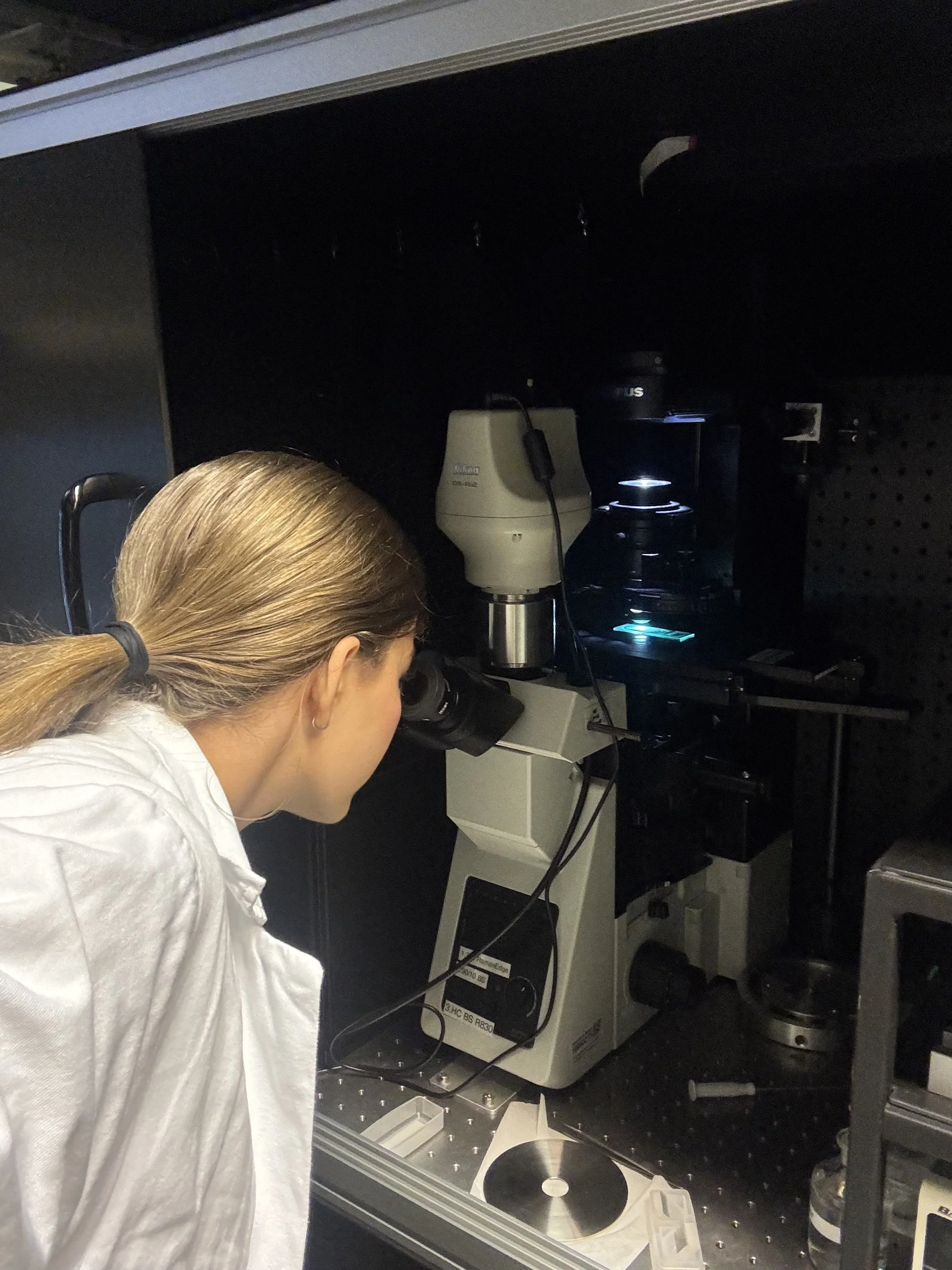
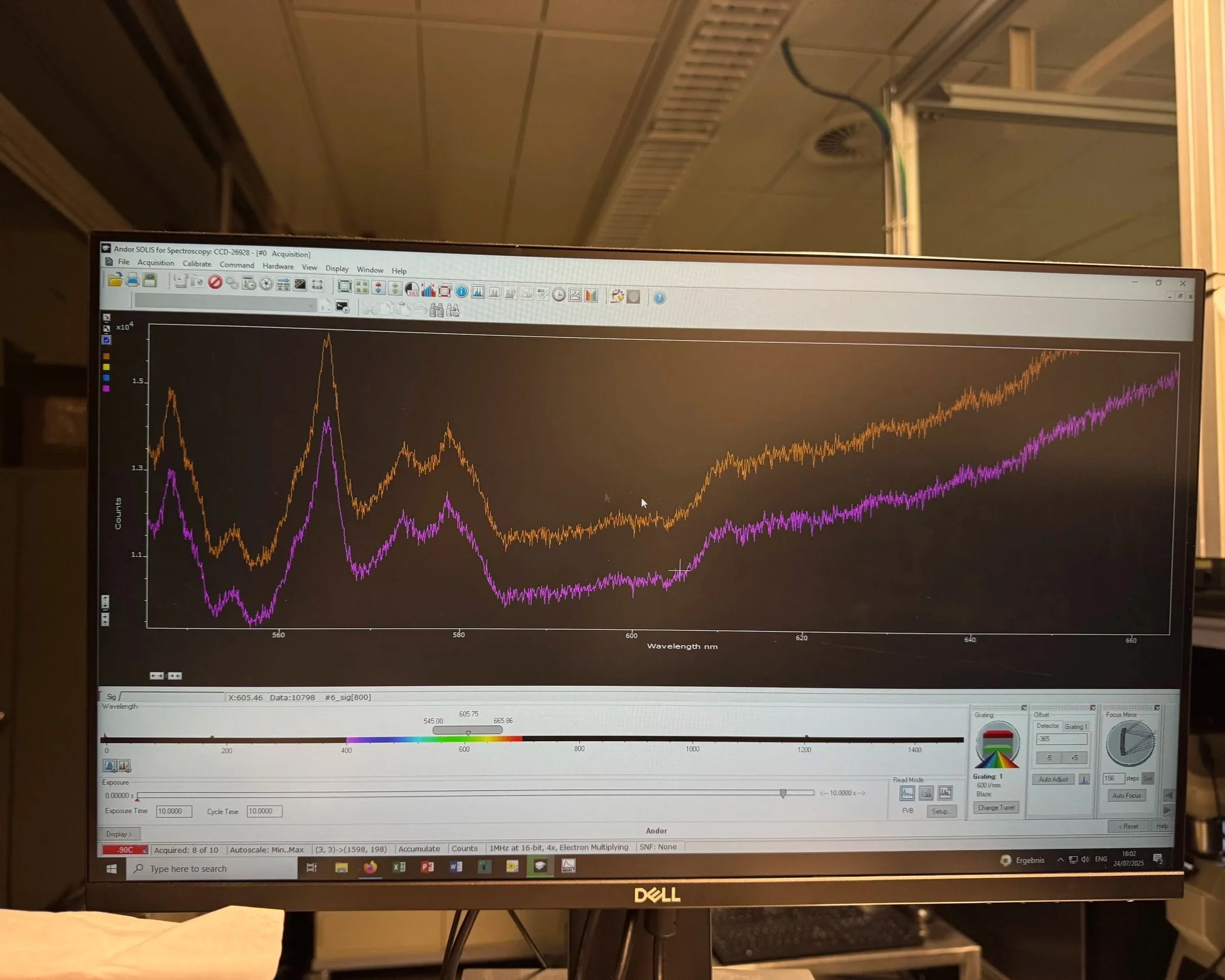
Spectroscopy allows me to explore how crystals and molecules interact with light. By measuring the absorption, emission, and scattering of light, I can reveal information that remains invisible to the naked eye as electronic transitions, molecular vibrations, symmetry, coordination environments, and crystal structure. Many of my artworks originate from coordination complexes and crystalline materials whose colors arise from specific electronic transitions. Spectroscopic techniques help me understand why these colors emerge, how the molecular environment influences them, and how light interacts with matter at the atomic scale. Far from being simple analytical data, these measurements become an integral part of my creative process. They provide a scientific layer of interpretation that complements the visual beauty of the crystals and deepens the dialogue between art, chemistry, and light.
Spectroscopy
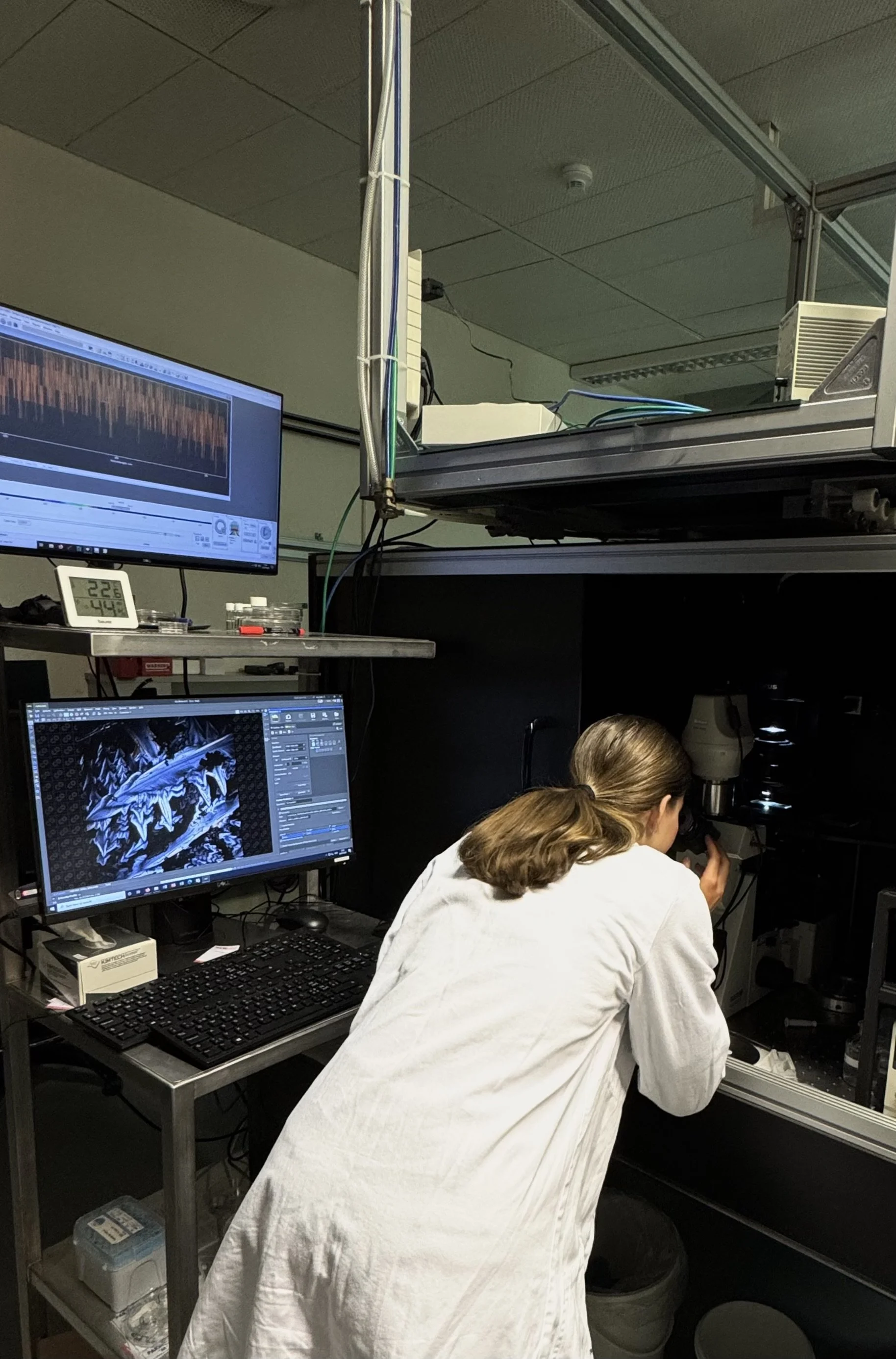
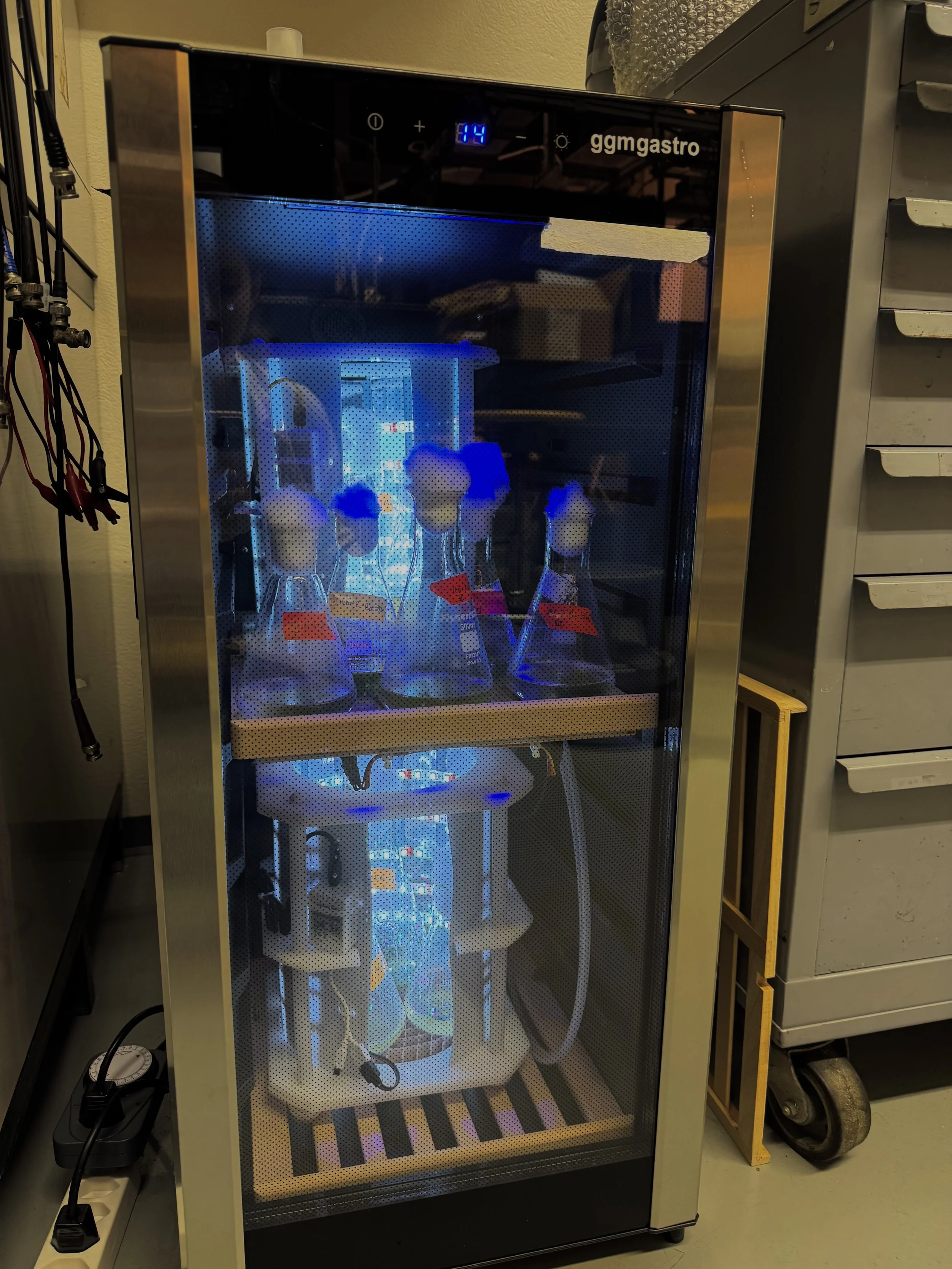
Crystals emerge from saturated solutions, where dissolved compounds reach the limits of their solubility. As these solutions evolve through evaporation, cooling, or changes in concentration, molecules begin to self-organize into highly ordered crystalline structures. This spontaneous process transforms molecular disorder into geometric order, revealing patterns that are scientifically meaningful and visually striking.
Saturated Solutions
Polarized Light Microscopy
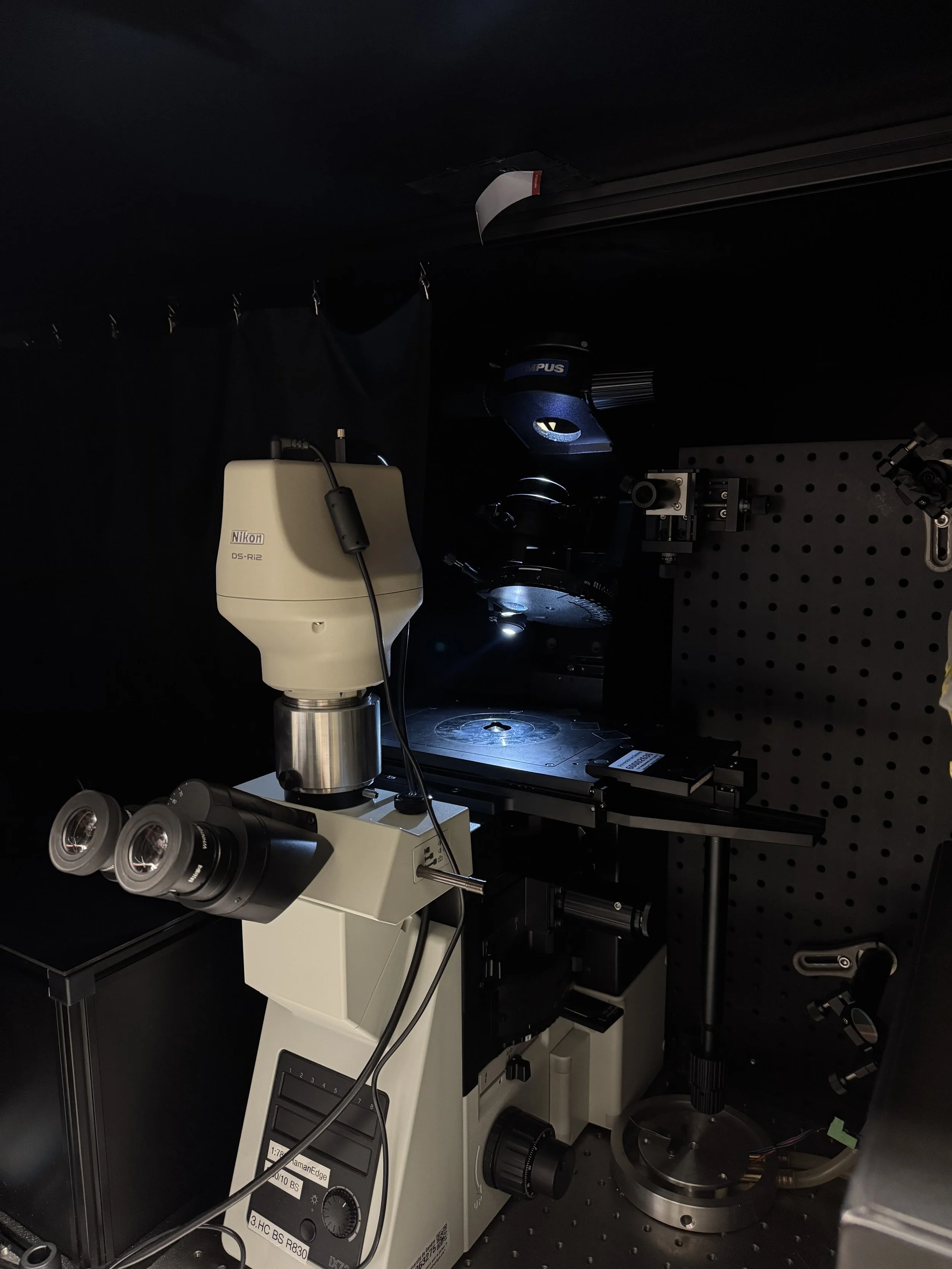
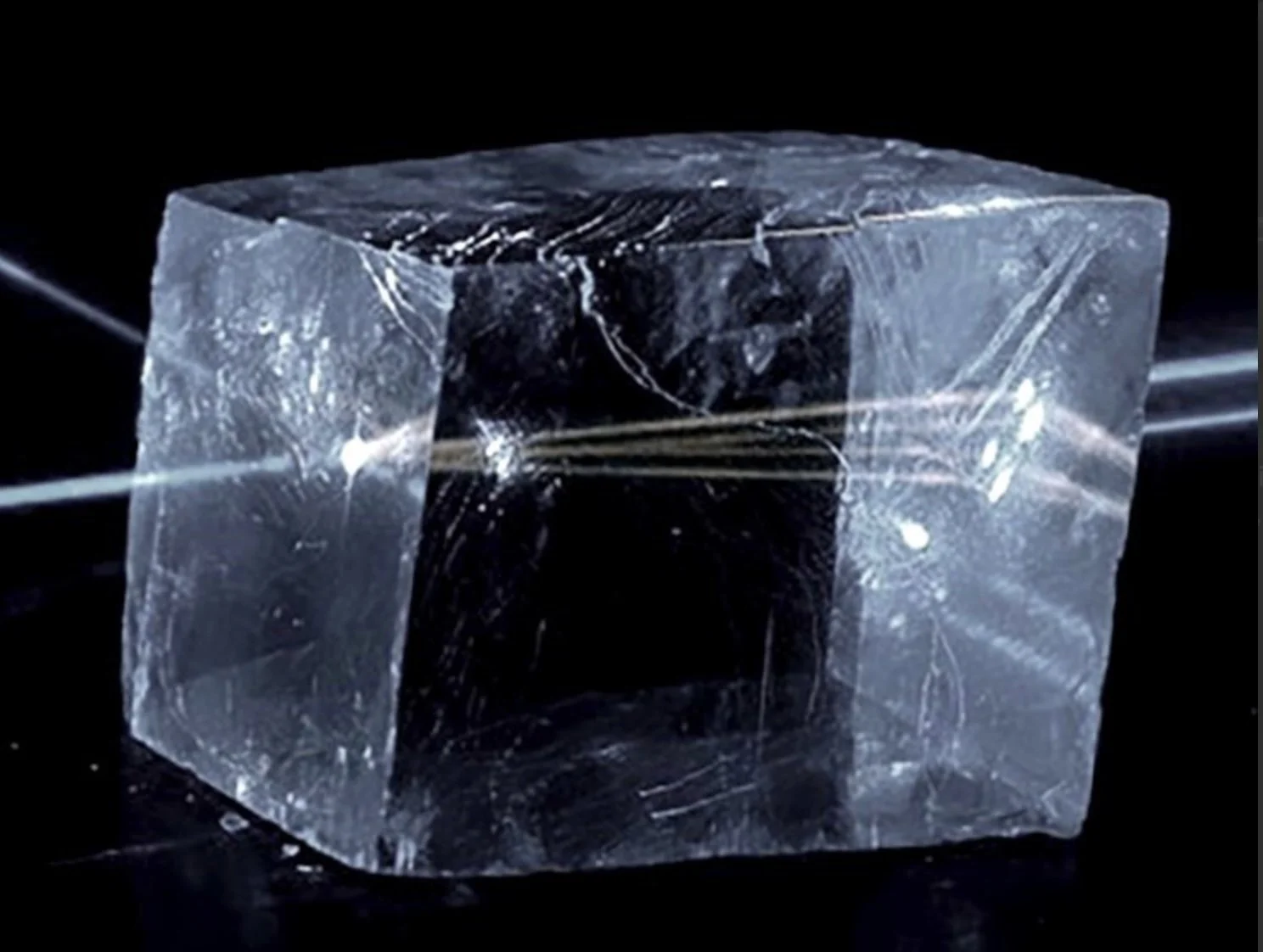
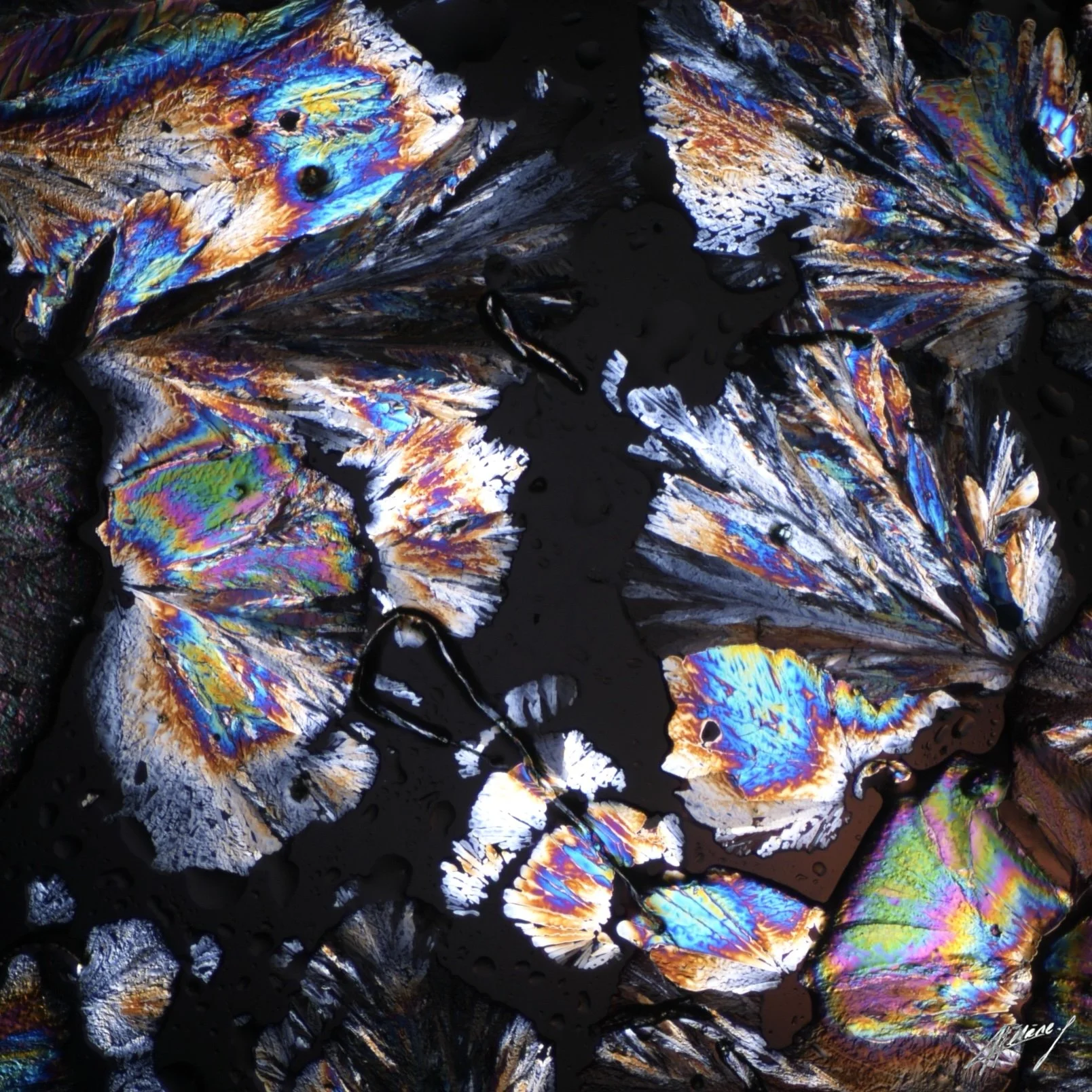
Polarized light microscopy allows us to see beyond the visible appearance of matter. Many crystals are anisotropic, meaning that light travels through them differently depending on its direction. As polarized light passes through a crystal, variations in refractive index cause the light to split, slow down, and interfere with itself. These interactions generate the vivid colors and patterns that characterize many of my artworks. Far from being artificial effects, these colors contain real information about the crystal's internal structure, symmetry, orientation, and molecular organization. By revealing features that remain hidden under ordinary light, polarized microscopy transforms crystals into visual records of their formation and growth. It provides a unique bridge between scientific observation and artistic exploration, making the invisible architecture of matter visible.