Scientific Description
This image originates from the controlled crystallization of trans-stilbene, synthesized in the laboratory through the Wittig reaction starting from benzaldehyde. The resulting trans-stilbene (molecular formula C₁₄H₁₂) was then recrystallized on a microscope slide and observed under polarized light. Rather than depicting a landscape, it records a genuine physical process frozen within matter. The dominant structure corresponds to a directional crystal growth front, driven by the molecular anisotropy of the system. The white lines reveal the principal crystal propagation axes, while the blue regions highlight distinct orientation domains, whose contrasts arise from variations in birefringence. The golden highlights indicate areas of high optical stress, where the internal crystal organization is under the greatest strain. The growth does not follow a regular geometry. It is perturbed, unstable, and close to a non-equilibrium regime. This gives rise to a waves architecture following the crystal grow direction. Such multi-scale organization is characteristic of natural physical systems subjected to thermal and energetic gradients.
The artwork is mesmerizing because it simultaneously combines:
a clear direction of flow,
local unpredictability,
a stable dynamic asymmetry,
and movement that is visually perceived yet physically frozen.
The human brain interprets a fluid phenomenon—a wave, fractured ice, or an ocean current—while actually observing a solid crystal. This perceptual contradiction between movement and stillness creates a continuous visual tension responsible for the image's hypnotic quality. It demonstrates that the forms associated with waves, ice, ocean currents, or stellar structures are not metaphors, but the expression of the same fundamental laws of organization: propagation, instability, dissipation, and self-organization.
Artistic Perspective
This formal organization is the same as that found in certain masterpieces throughout the history of art, because they all express the same universal language of form. The directional vortices visible in Van Gogh's The Starry Night obey the same principles of propagation and instability as this frozen crystalline front, while the dramatic curvature and directional tension of Hokusai's The Great Wave off Kanagawa follow the same rules governing fluid dynamics and front rupture. In every case, the form is not decorative; it is the visible trace of energy in motion, of a flow subjected to constraints and controlled instability. The difference is that where these artists interpreted these laws through painting, this image records them directly within matter itself. Here, aesthetics are not intentionally created, they are the direct consequence of physical laws. Frozen Waves therefore becomes the visible trace of a transition between order, disorder, and structure, written into the very fabric of matter.
Product Description
A robust and versatile tote bag designed for everyday use. Made from high-quality durable polyester, it offers excellent shape retention and long-lasting performance. The reinforced double-stitched handles provide comfortable carrying by hand or over the shoulder, while the slightly structured corners increase storage capacity for larger items. The artwork is printed in high definition, ensuring sharp details and vibrant colors that remain durable with everyday use.
Technical Specifications
Material: 100% polyester
Fabric weight: Approximately 200 g/m²
Available sizes:
Small: approx. 33 × 33 cm
Medium: approx. 41 × 41 cm
Large: approx. 46 × 46 cm
High-quality single-sided print
Long, reinforced handles
Structured corners for additional volume
Strong stitching with clean finishing
Non-woven laminated interior
Lightweight, durable, and easy to carry
Scientific Description
This image originates from the controlled crystallization of trans-stilbene, synthesized in the laboratory through the Wittig reaction starting from benzaldehyde. The resulting trans-stilbene (molecular formula C₁₄H₁₂) was then recrystallized on a microscope slide and observed under polarized light. Rather than depicting a landscape, it records a genuine physical process frozen within matter. The dominant structure corresponds to a directional crystal growth front, driven by the molecular anisotropy of the system. The white lines reveal the principal crystal propagation axes, while the blue regions highlight distinct orientation domains, whose contrasts arise from variations in birefringence. The golden highlights indicate areas of high optical stress, where the internal crystal organization is under the greatest strain. The growth does not follow a regular geometry. It is perturbed, unstable, and close to a non-equilibrium regime. This gives rise to a waves architecture following the crystal grow direction. Such multi-scale organization is characteristic of natural physical systems subjected to thermal and energetic gradients.
The artwork is mesmerizing because it simultaneously combines:
a clear direction of flow,
local unpredictability,
a stable dynamic asymmetry,
and movement that is visually perceived yet physically frozen.
The human brain interprets a fluid phenomenon—a wave, fractured ice, or an ocean current—while actually observing a solid crystal. This perceptual contradiction between movement and stillness creates a continuous visual tension responsible for the image's hypnotic quality. It demonstrates that the forms associated with waves, ice, ocean currents, or stellar structures are not metaphors, but the expression of the same fundamental laws of organization: propagation, instability, dissipation, and self-organization.
Artistic Perspective
This formal organization is the same as that found in certain masterpieces throughout the history of art, because they all express the same universal language of form. The directional vortices visible in Van Gogh's The Starry Night obey the same principles of propagation and instability as this frozen crystalline front, while the dramatic curvature and directional tension of Hokusai's The Great Wave off Kanagawa follow the same rules governing fluid dynamics and front rupture. In every case, the form is not decorative; it is the visible trace of energy in motion, of a flow subjected to constraints and controlled instability. The difference is that where these artists interpreted these laws through painting, this image records them directly within matter itself. Here, aesthetics are not intentionally created, they are the direct consequence of physical laws. Frozen Waves therefore becomes the visible trace of a transition between order, disorder, and structure, written into the very fabric of matter.
Product Description
A robust and versatile tote bag designed for everyday use. Made from high-quality durable polyester, it offers excellent shape retention and long-lasting performance. The reinforced double-stitched handles provide comfortable carrying by hand or over the shoulder, while the slightly structured corners increase storage capacity for larger items. The artwork is printed in high definition, ensuring sharp details and vibrant colors that remain durable with everyday use.
Technical Specifications
Material: 100% polyester
Fabric weight: Approximately 200 g/m²
Available sizes:
Small: approx. 33 × 33 cm
Medium: approx. 41 × 41 cm
Large: approx. 46 × 46 cm
High-quality single-sided print
Long, reinforced handles
Structured corners for additional volume
Strong stitching with clean finishing
Non-woven laminated interior
Lightweight, durable, and easy to carry

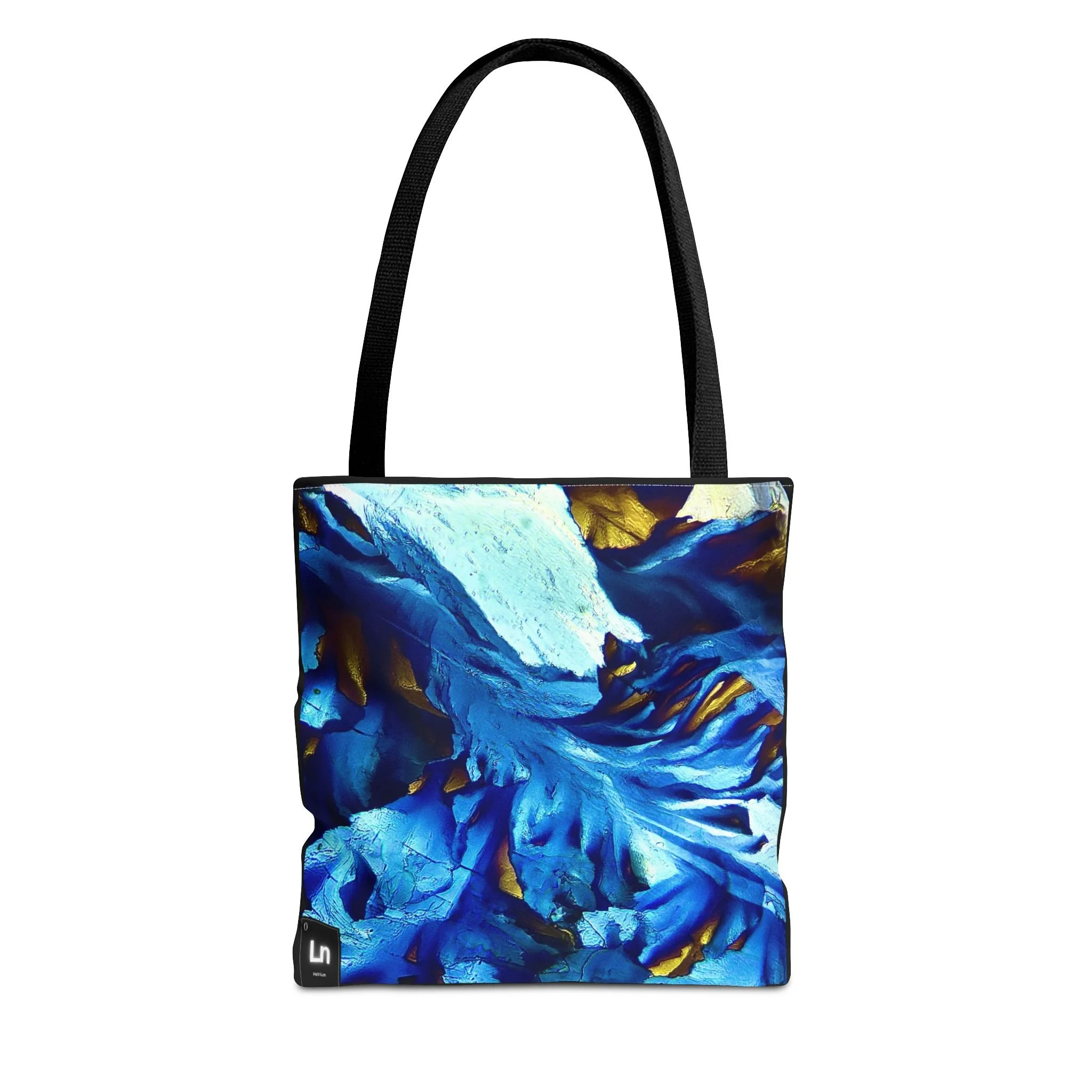 Image 1 of 24
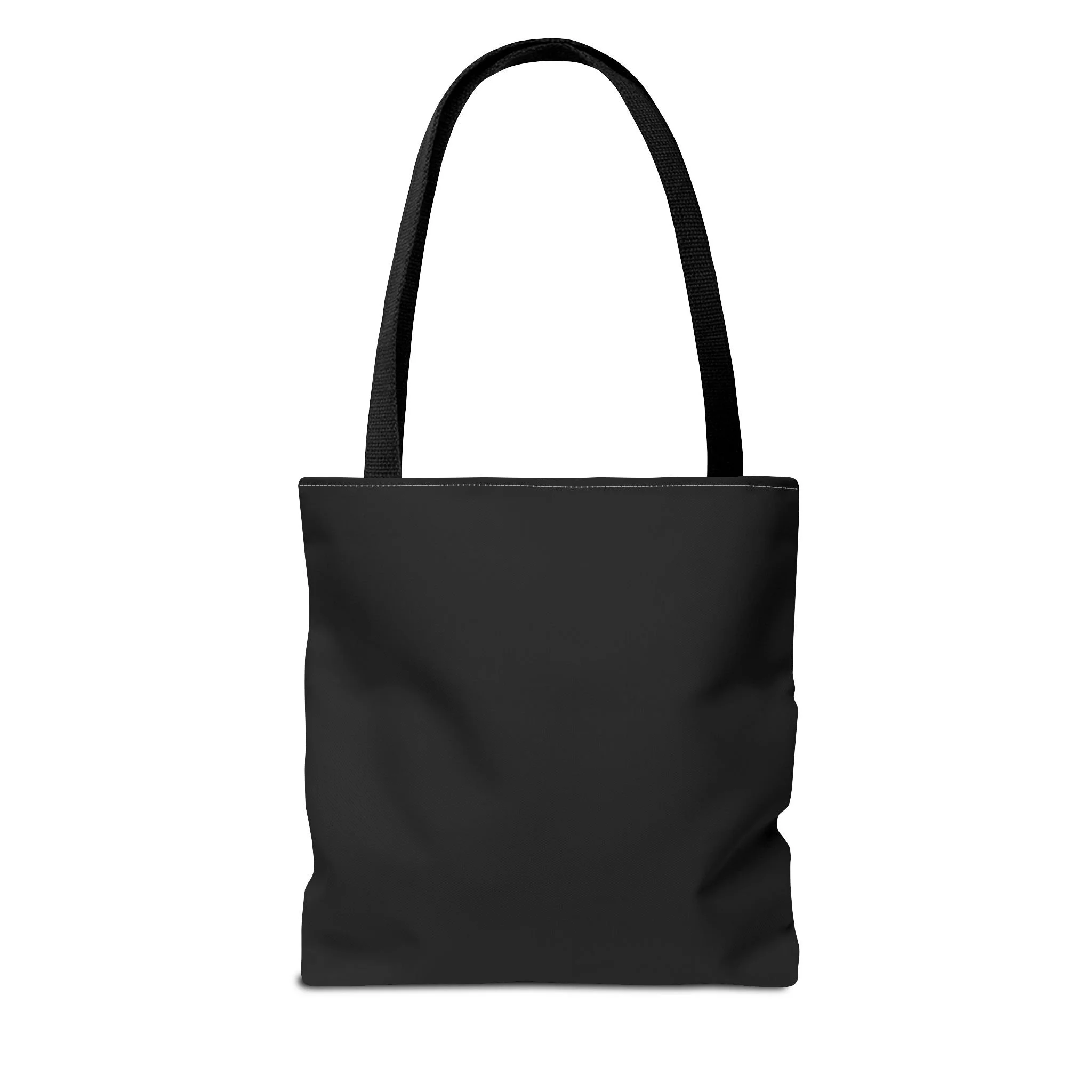 Image 2 of 24
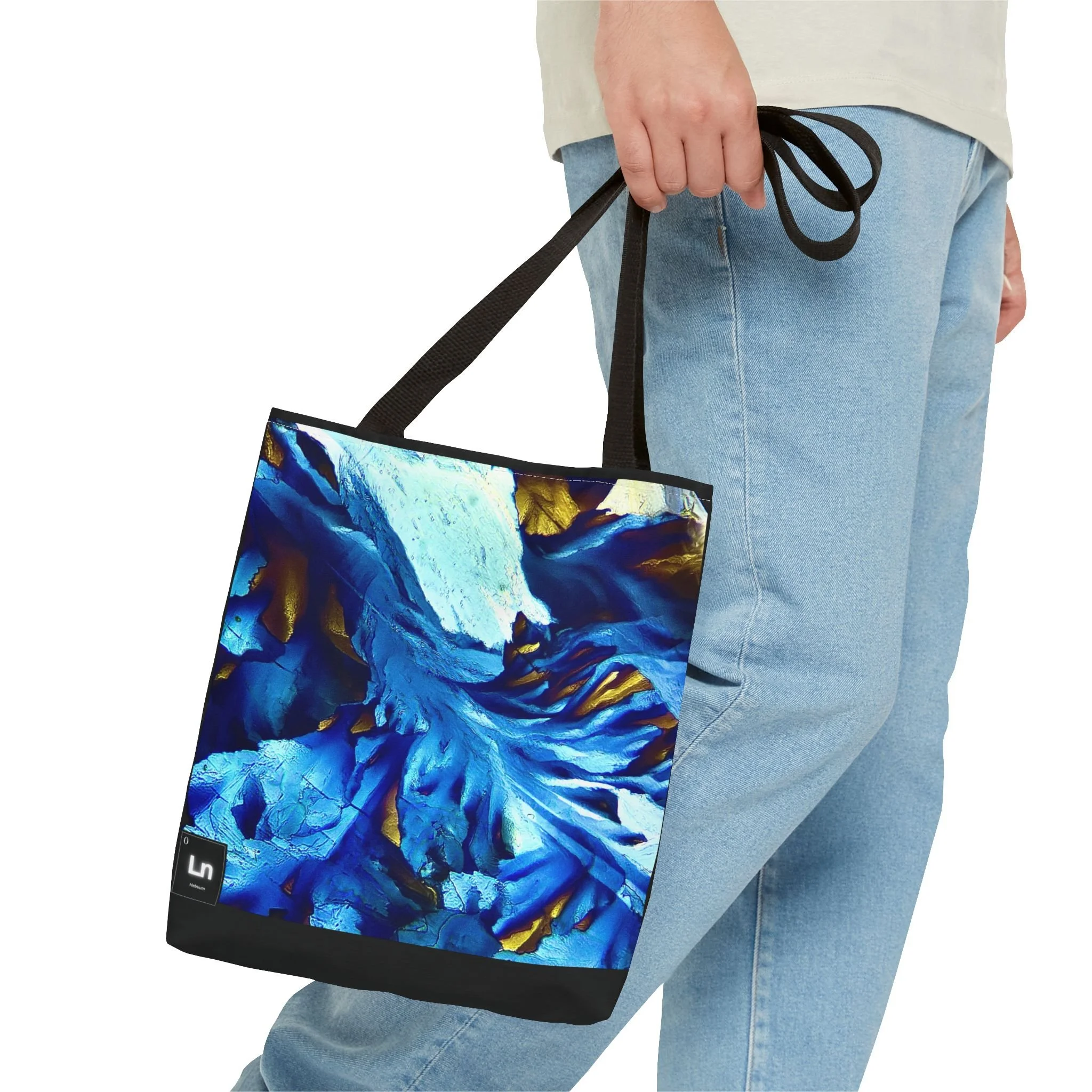 Image 3 of 24
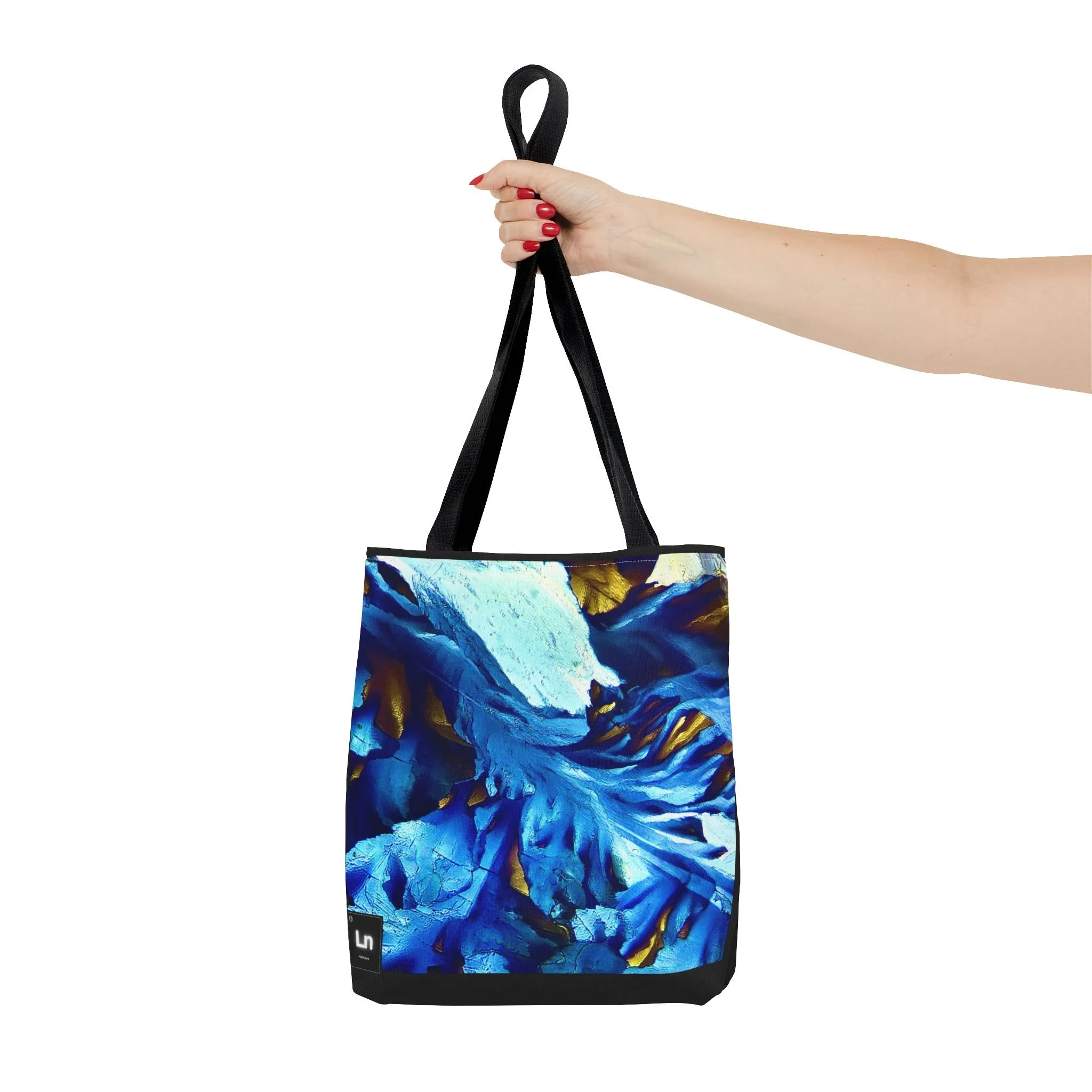 Image 4 of 24
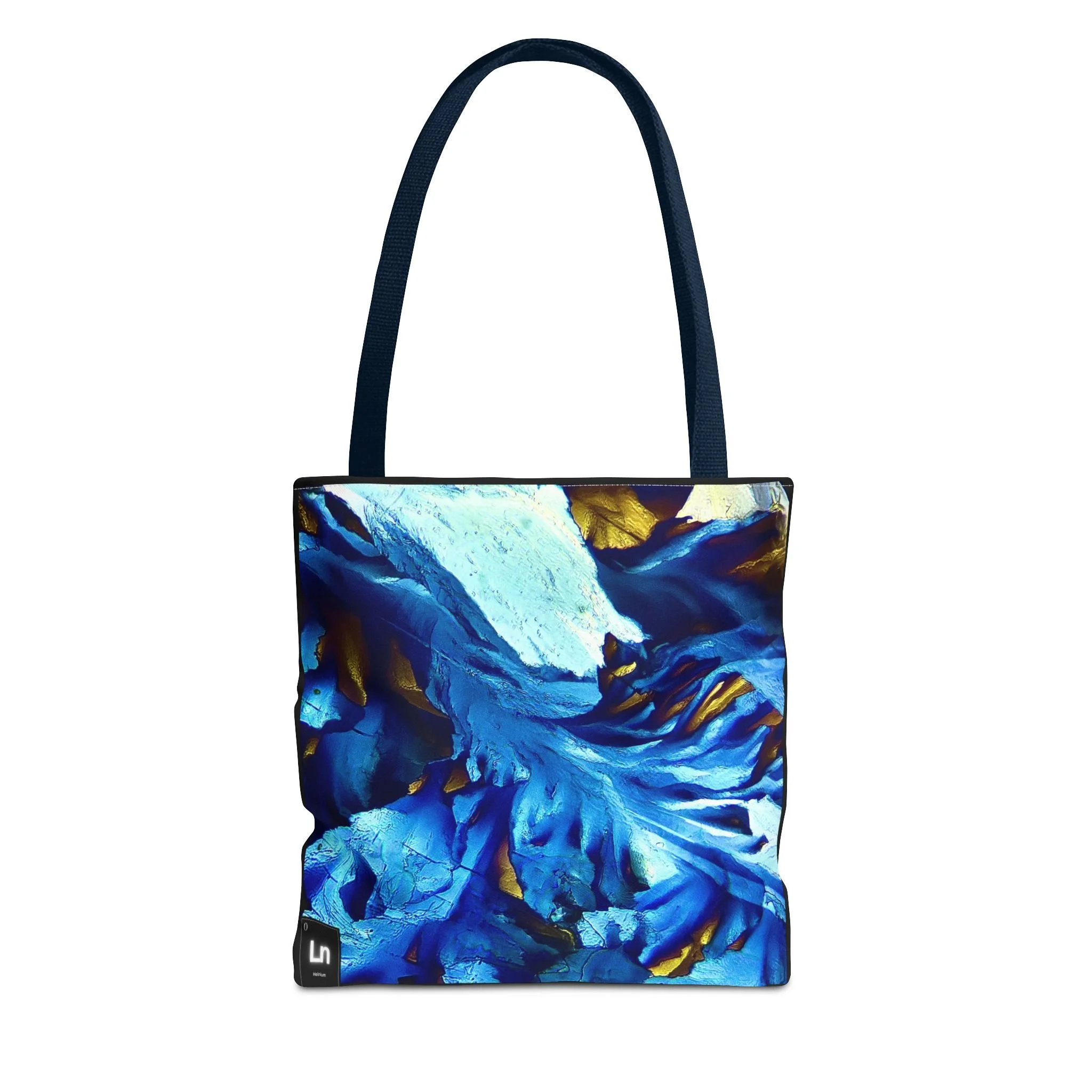 Image 5 of 24
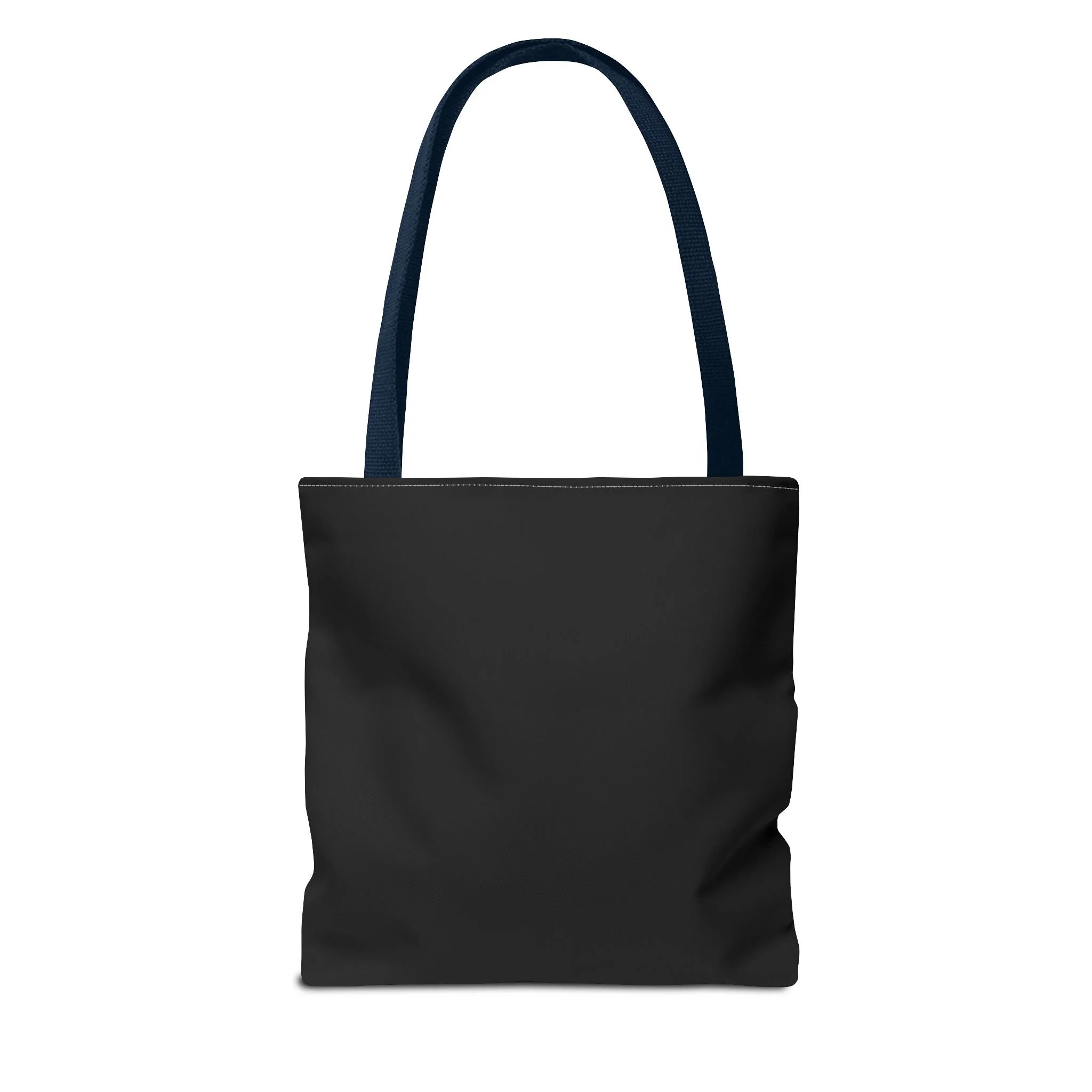 Image 6 of 24
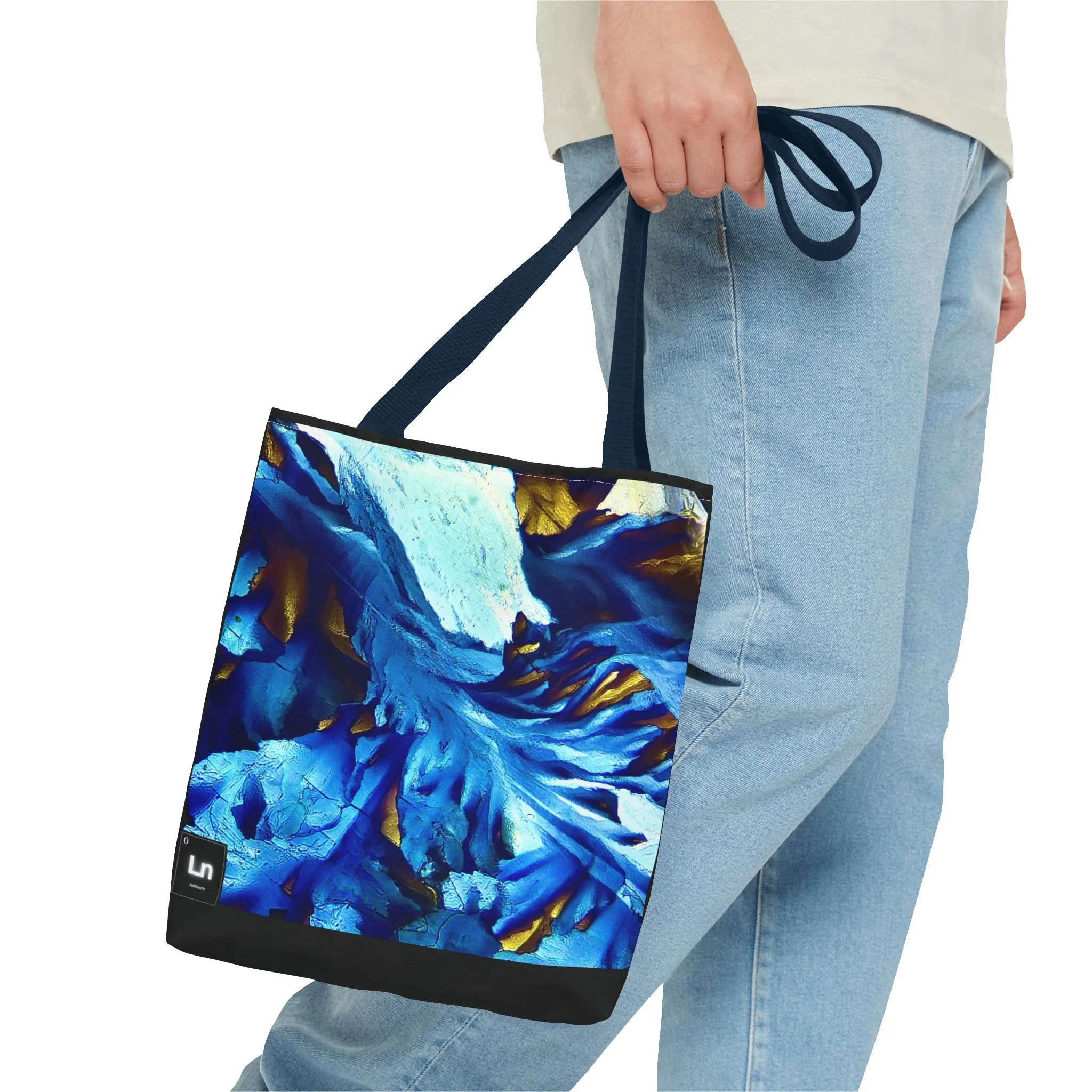 Image 7 of 24
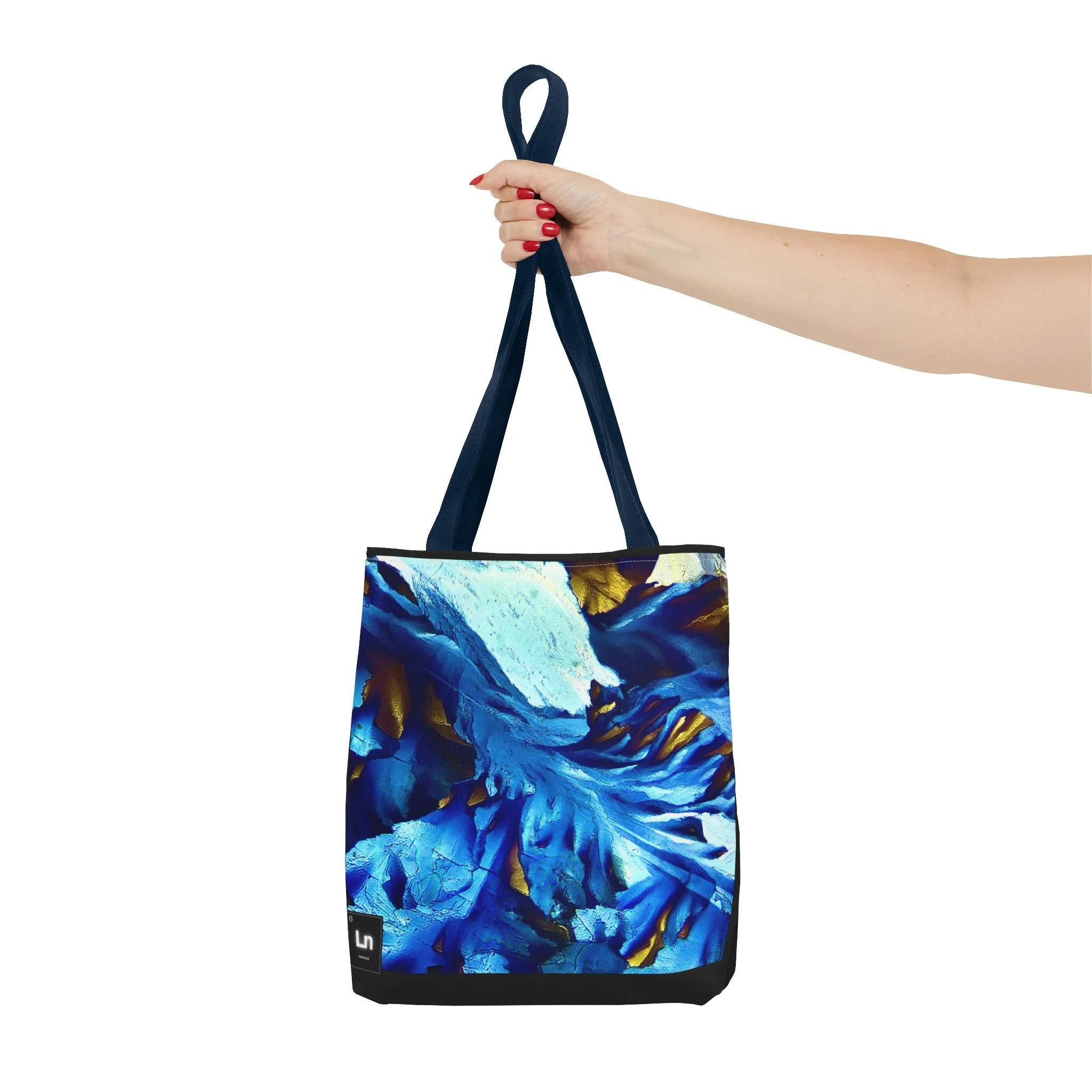 Image 8 of 24
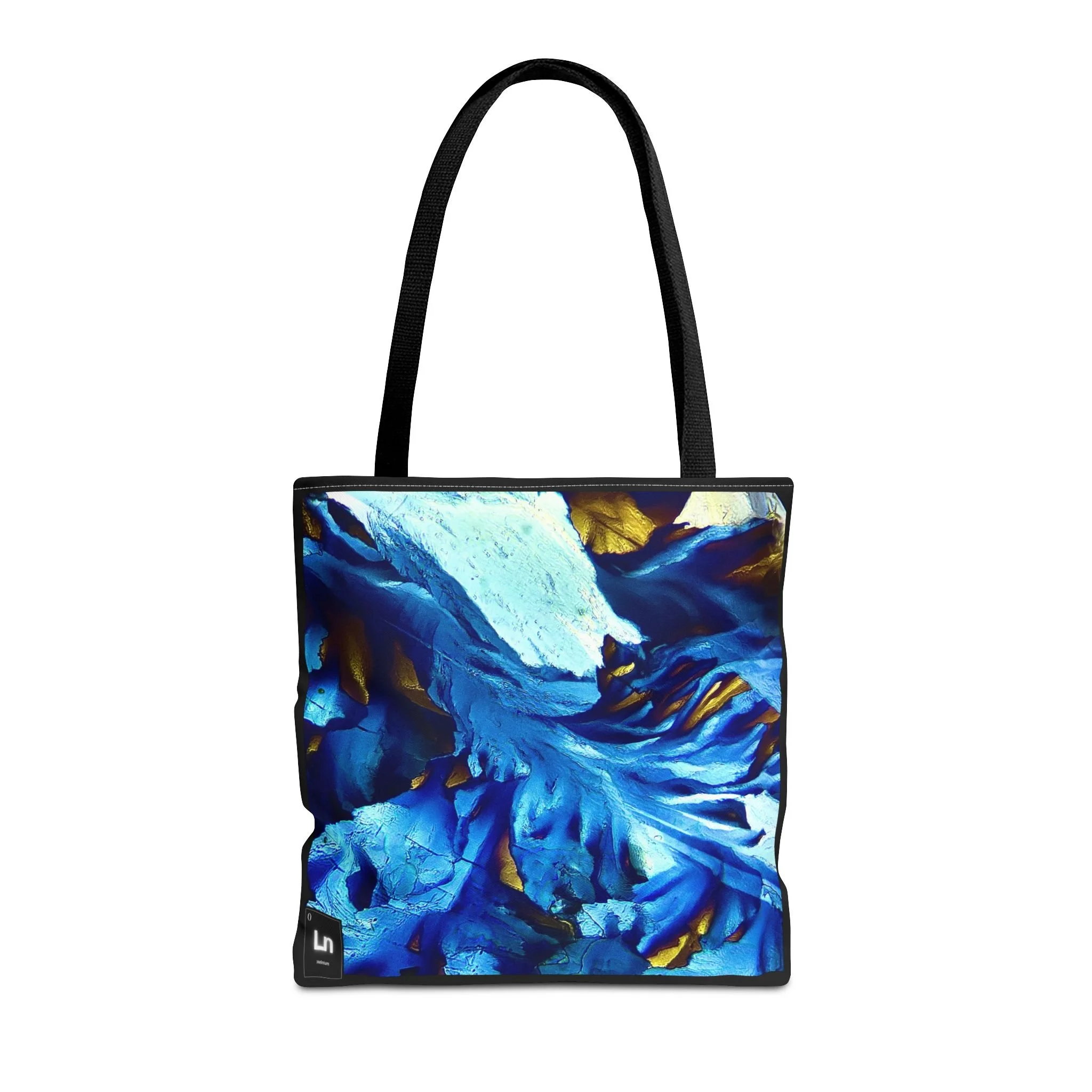 Image 9 of 24
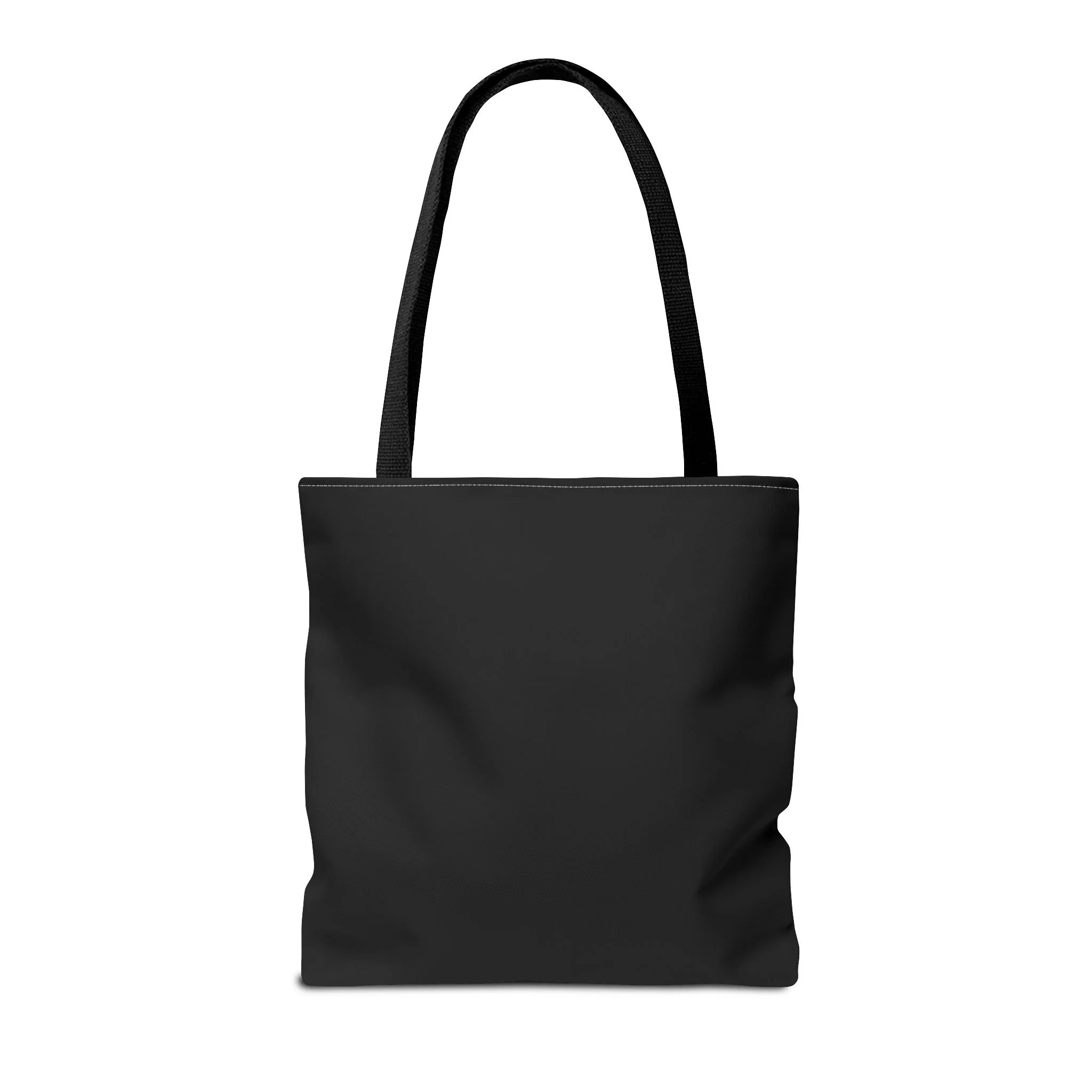 Image 10 of 24
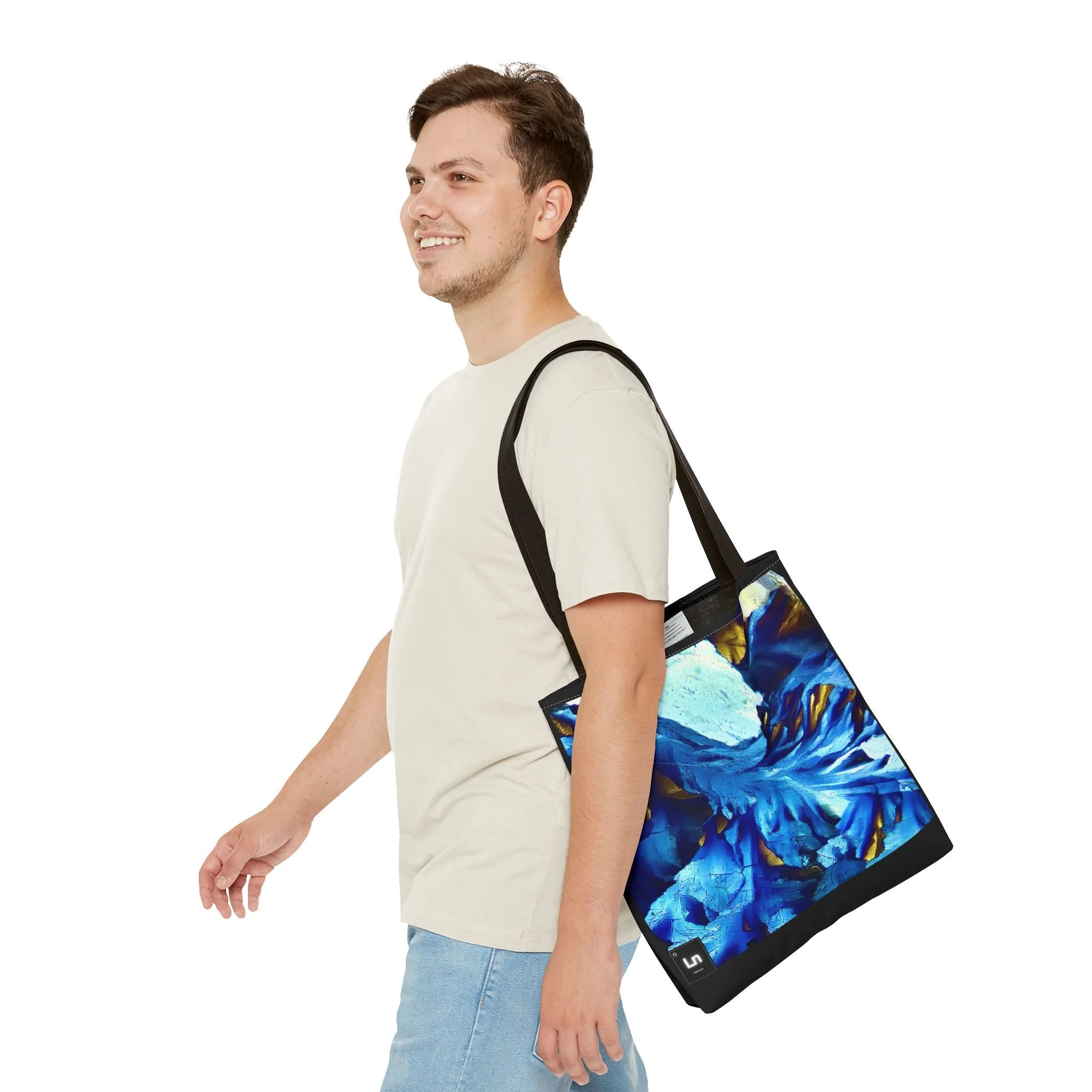 Image 11 of 24
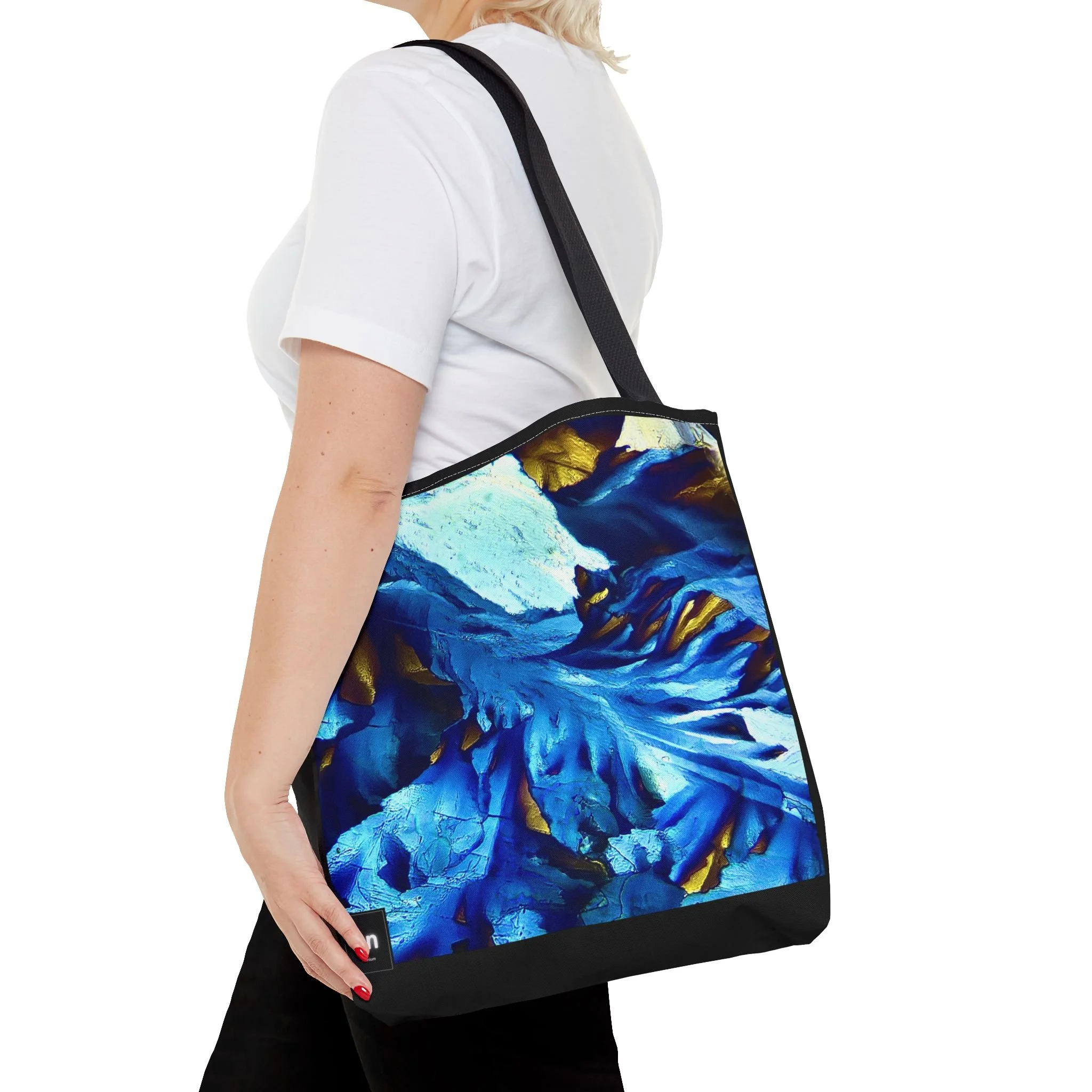 Image 12 of 24
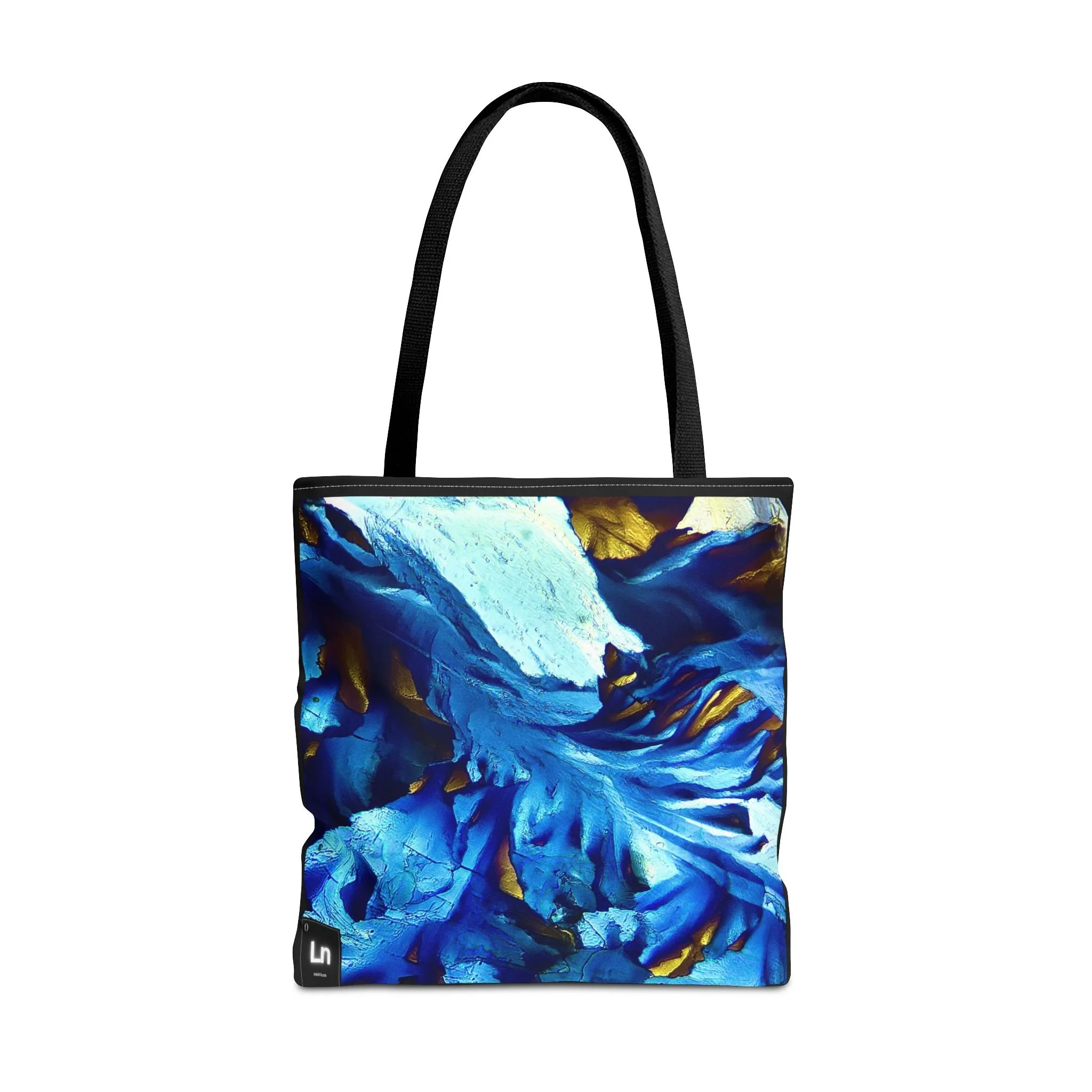 Image 13 of 24
 Image 14 of 24
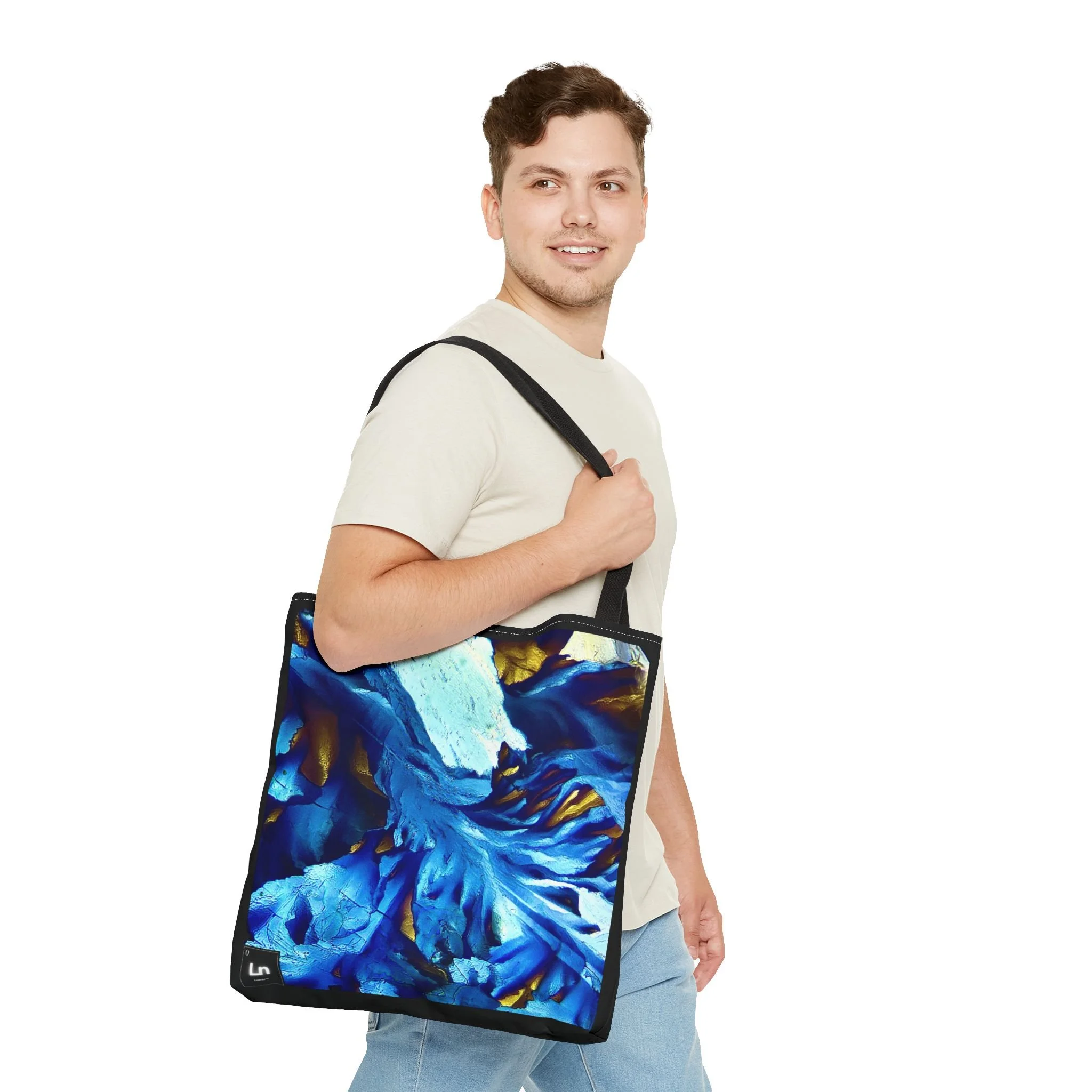 Image 15 of 24
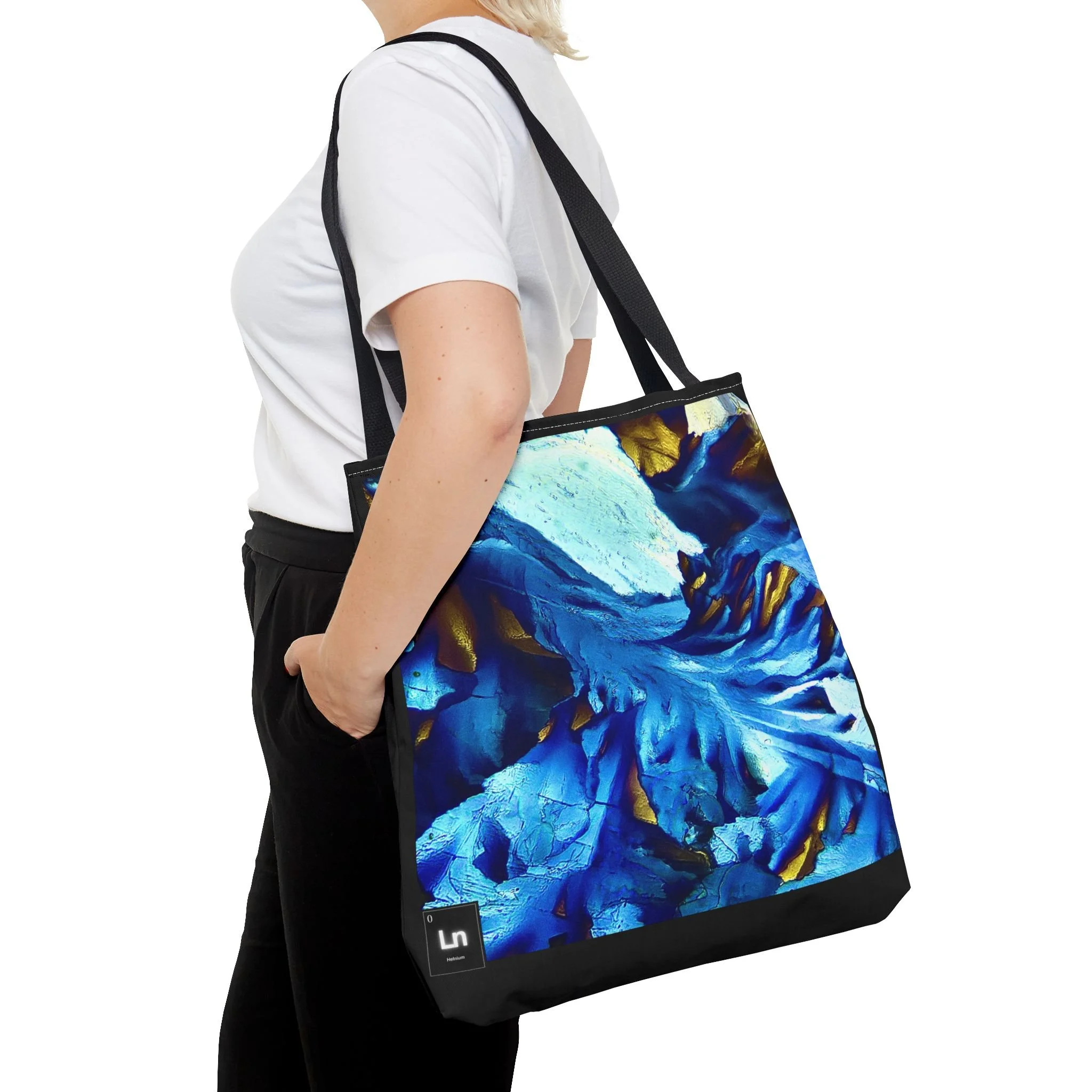 Image 16 of 24
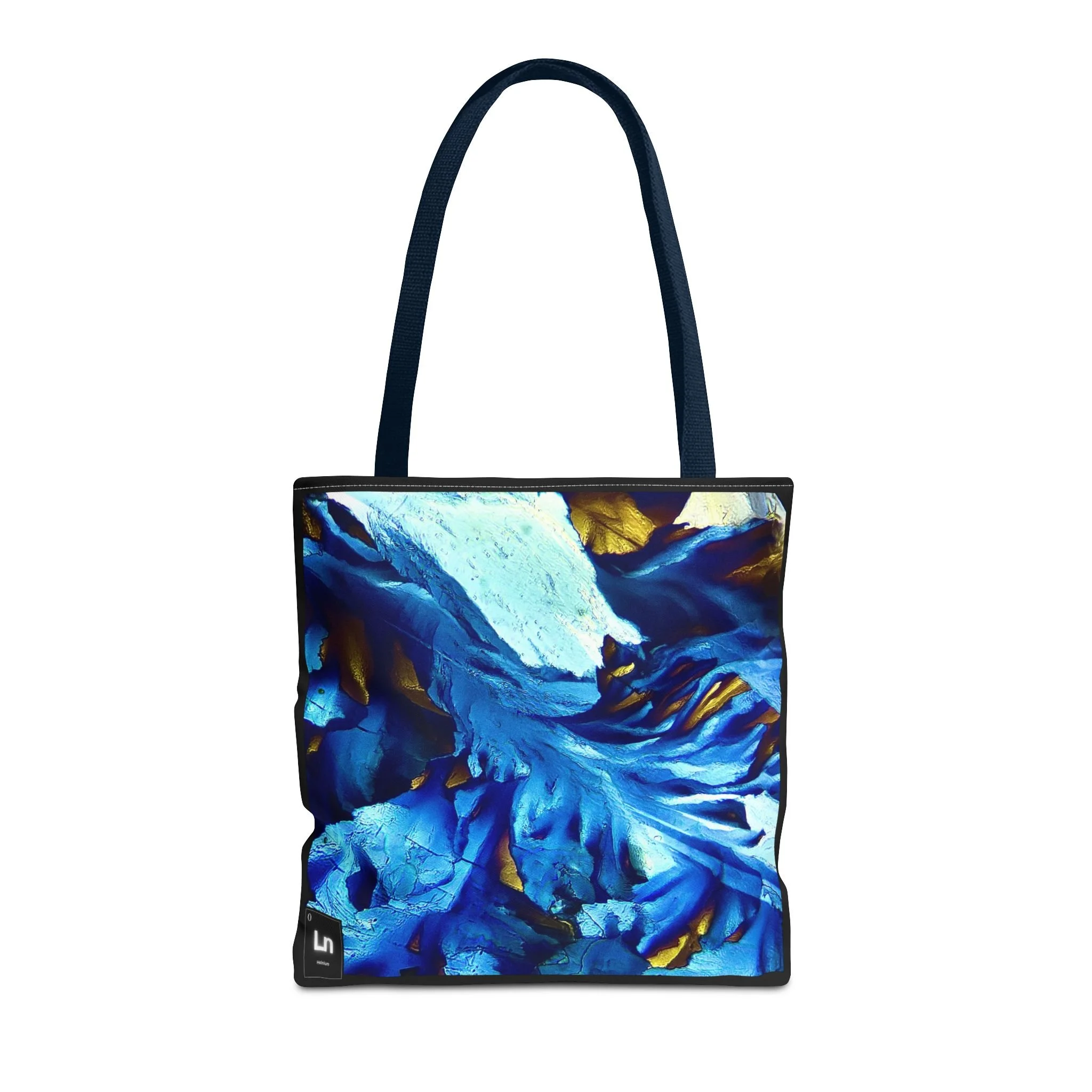 Image 17 of 24
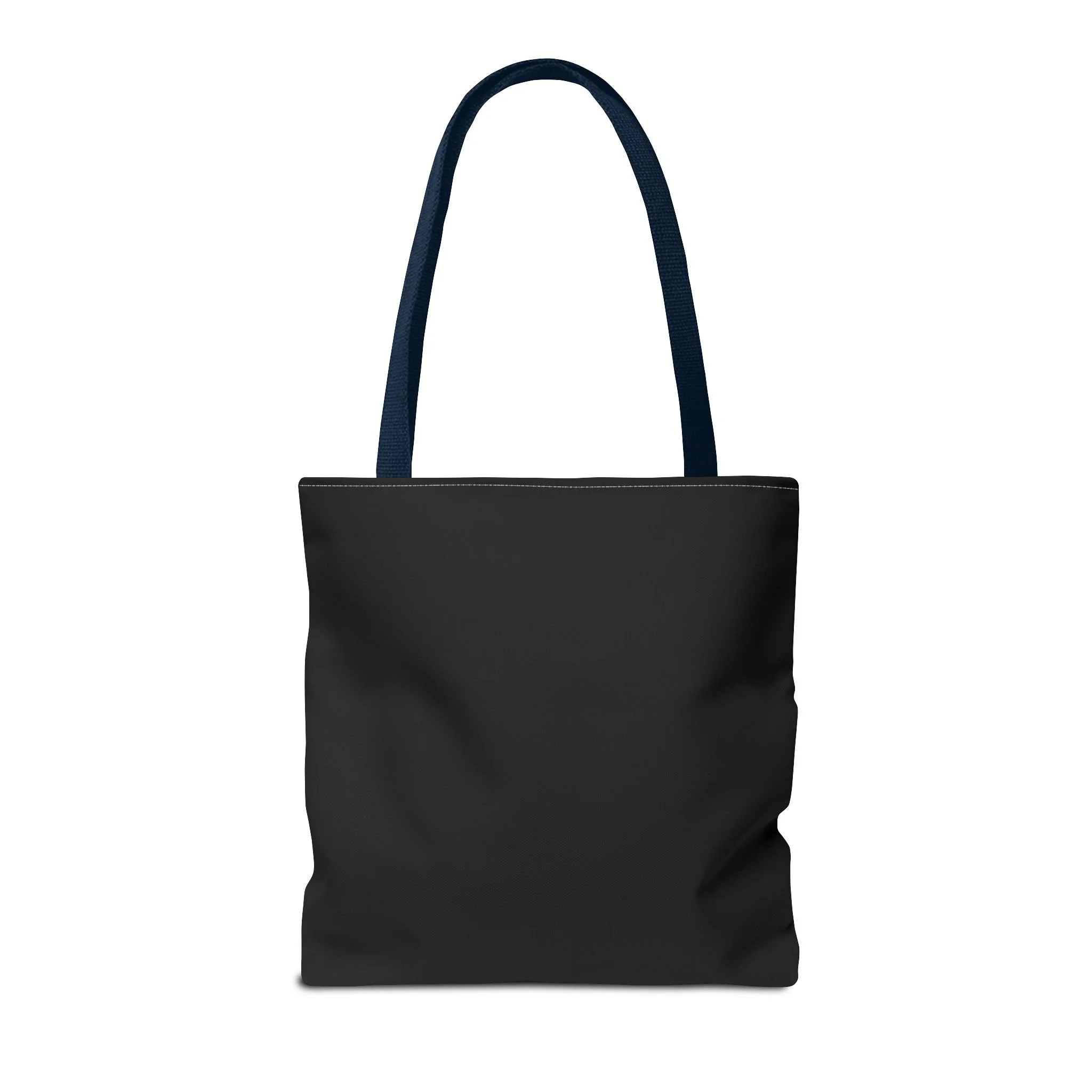 Image 18 of 24
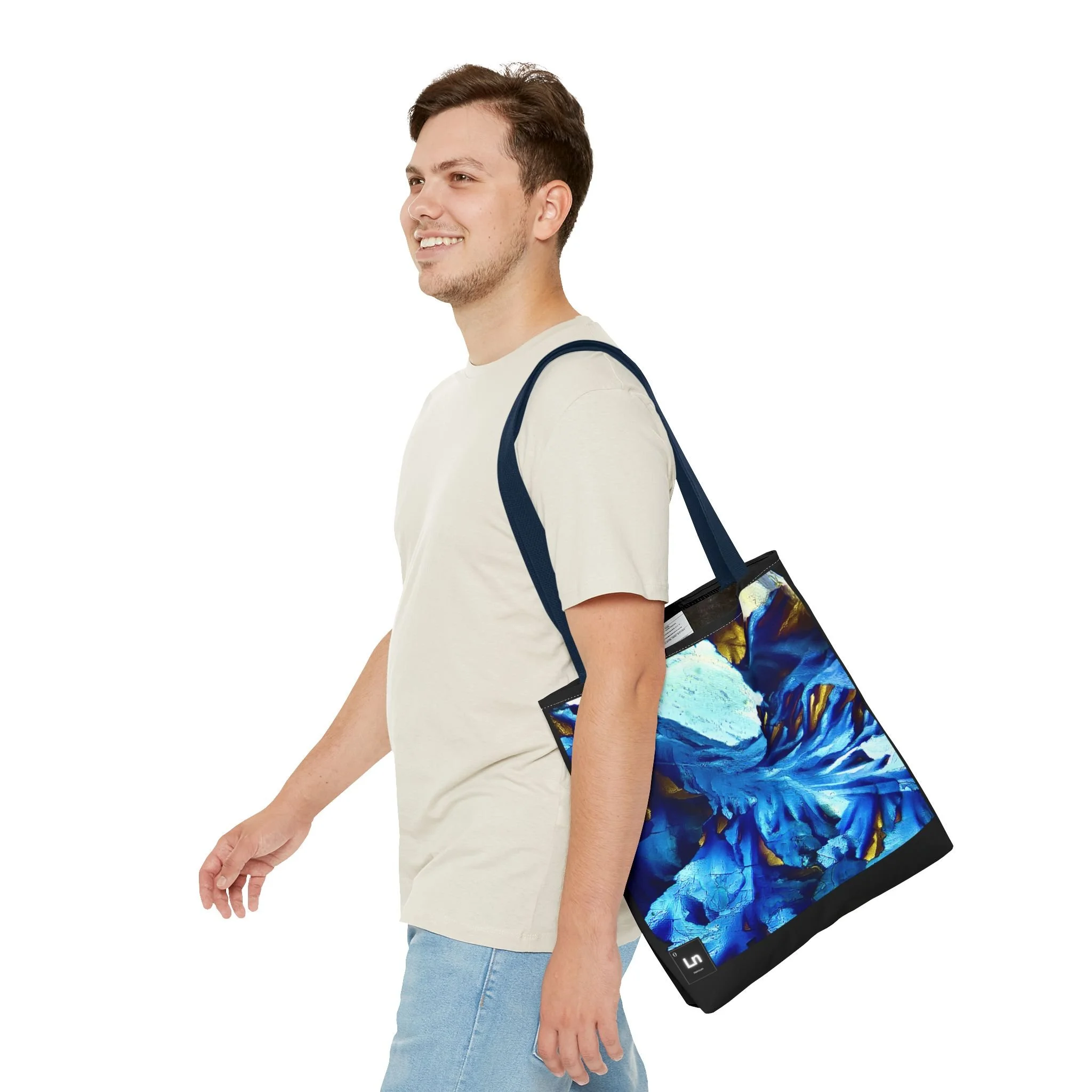 Image 19 of 24
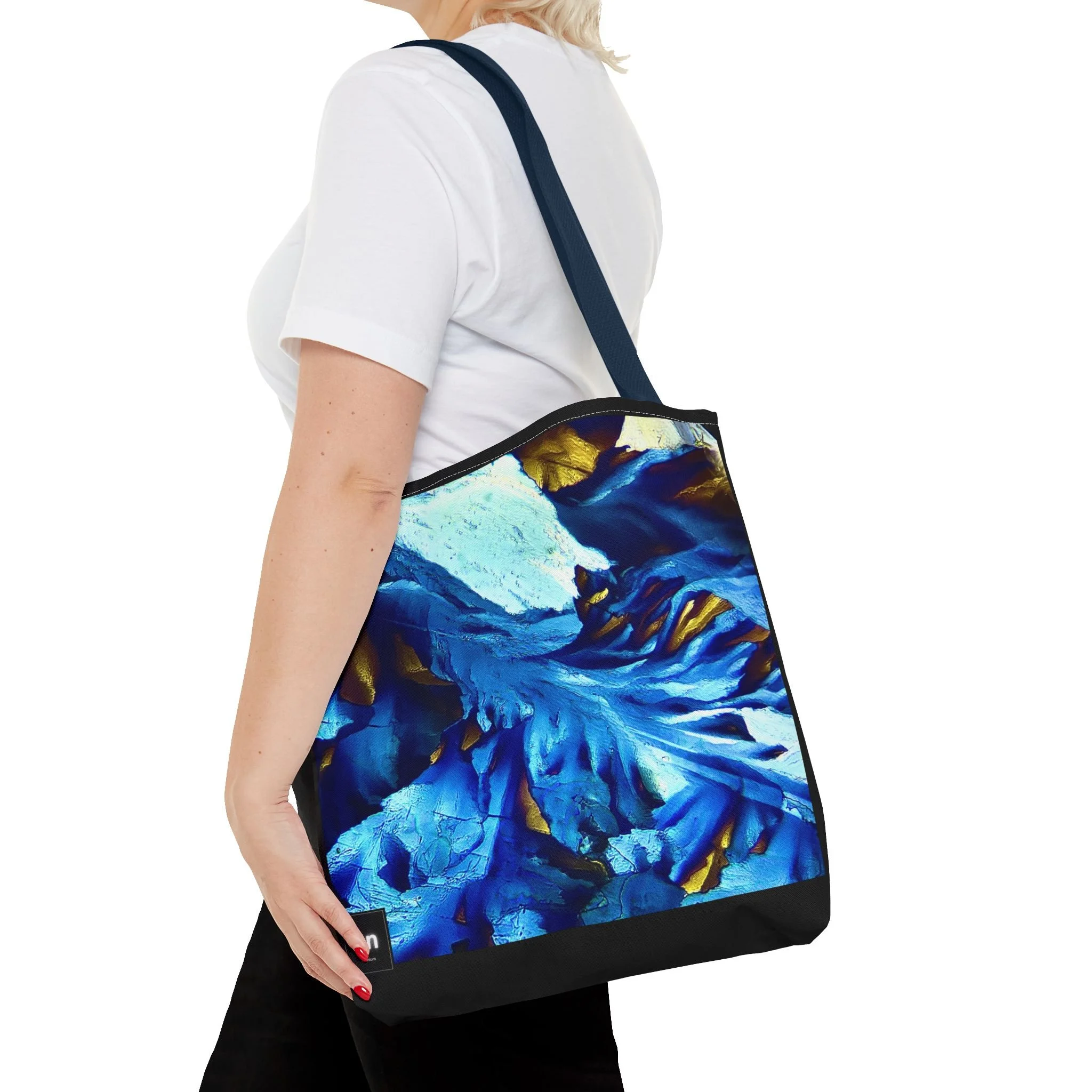 Image 20 of 24
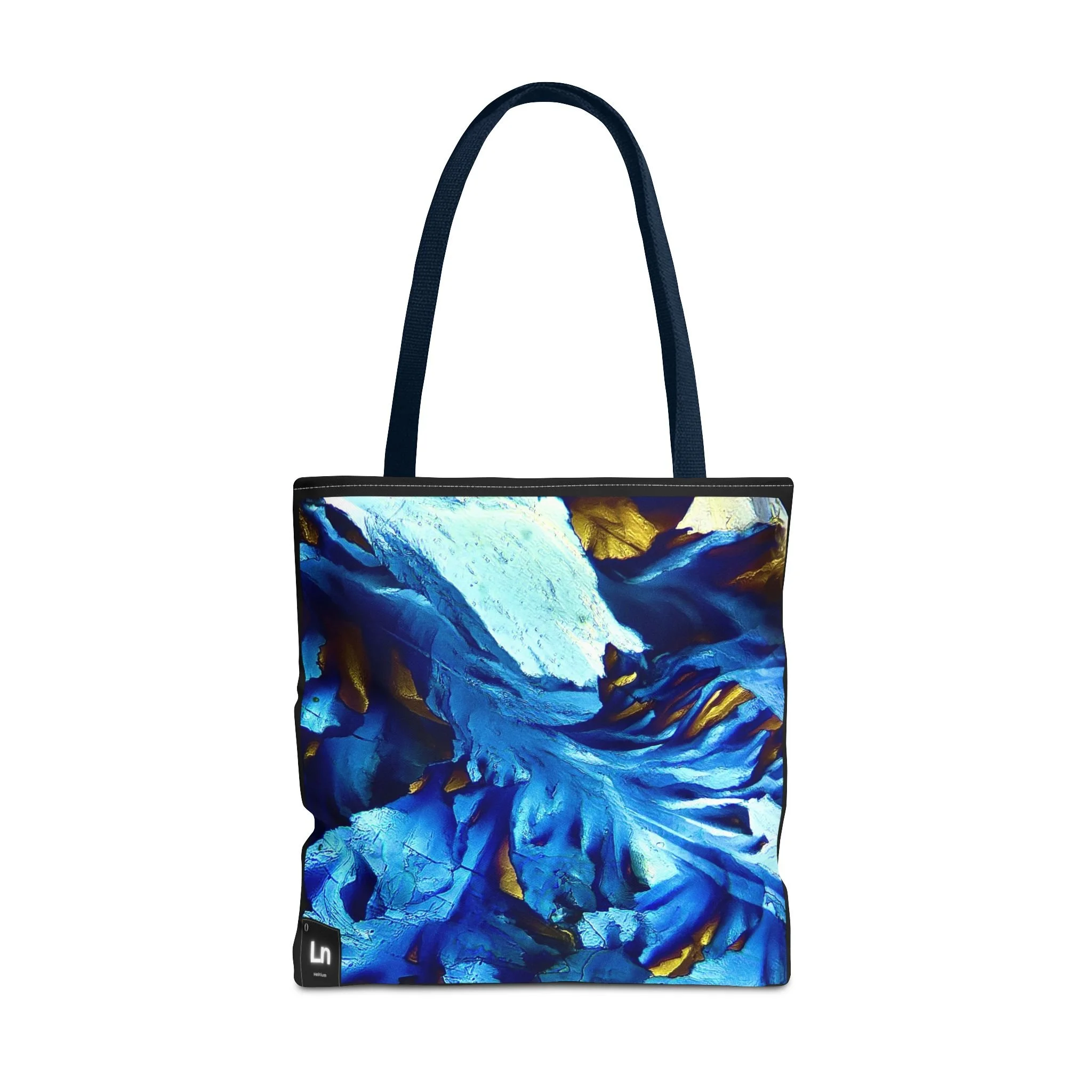 Image 21 of 24
 Image 22 of 24
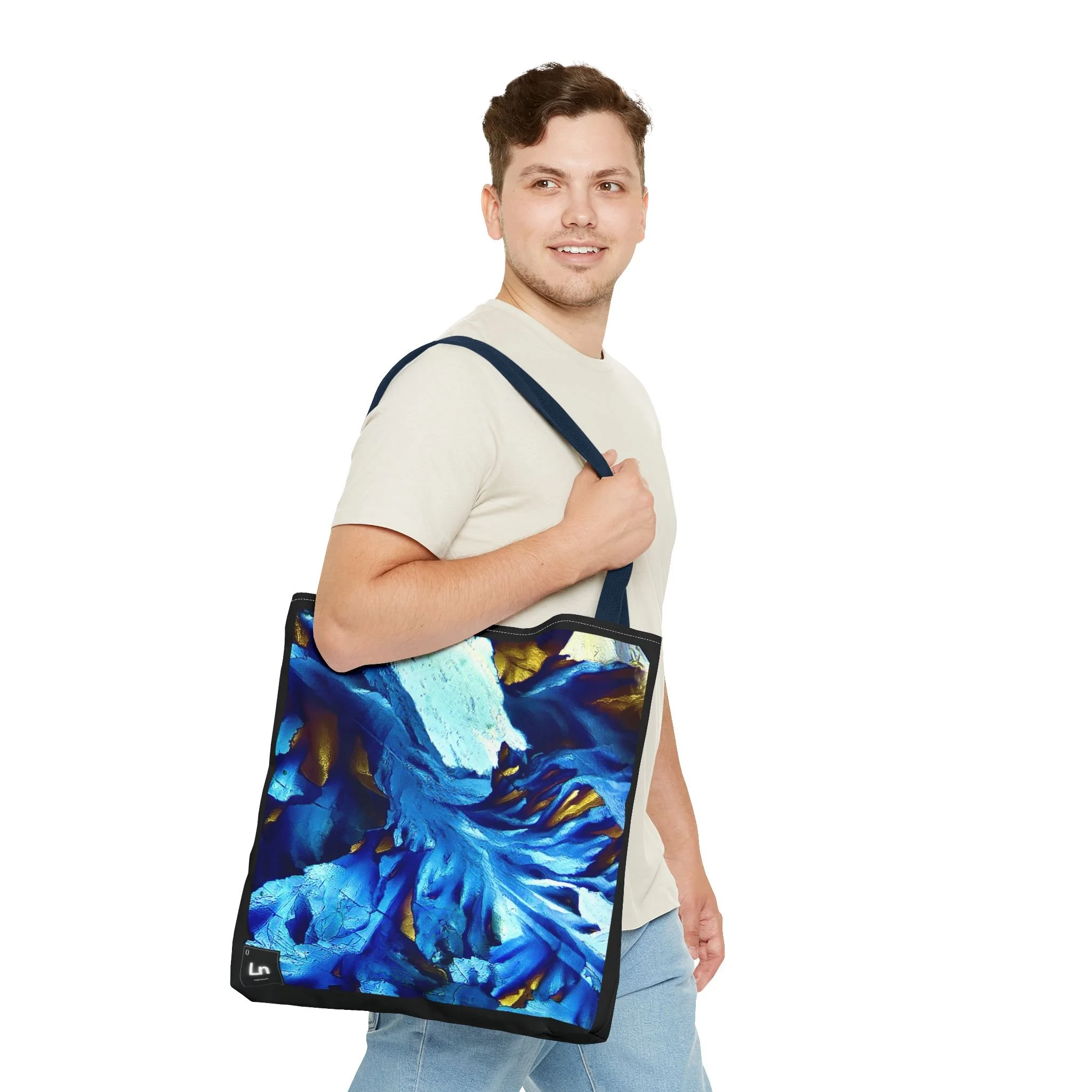 Image 23 of 24
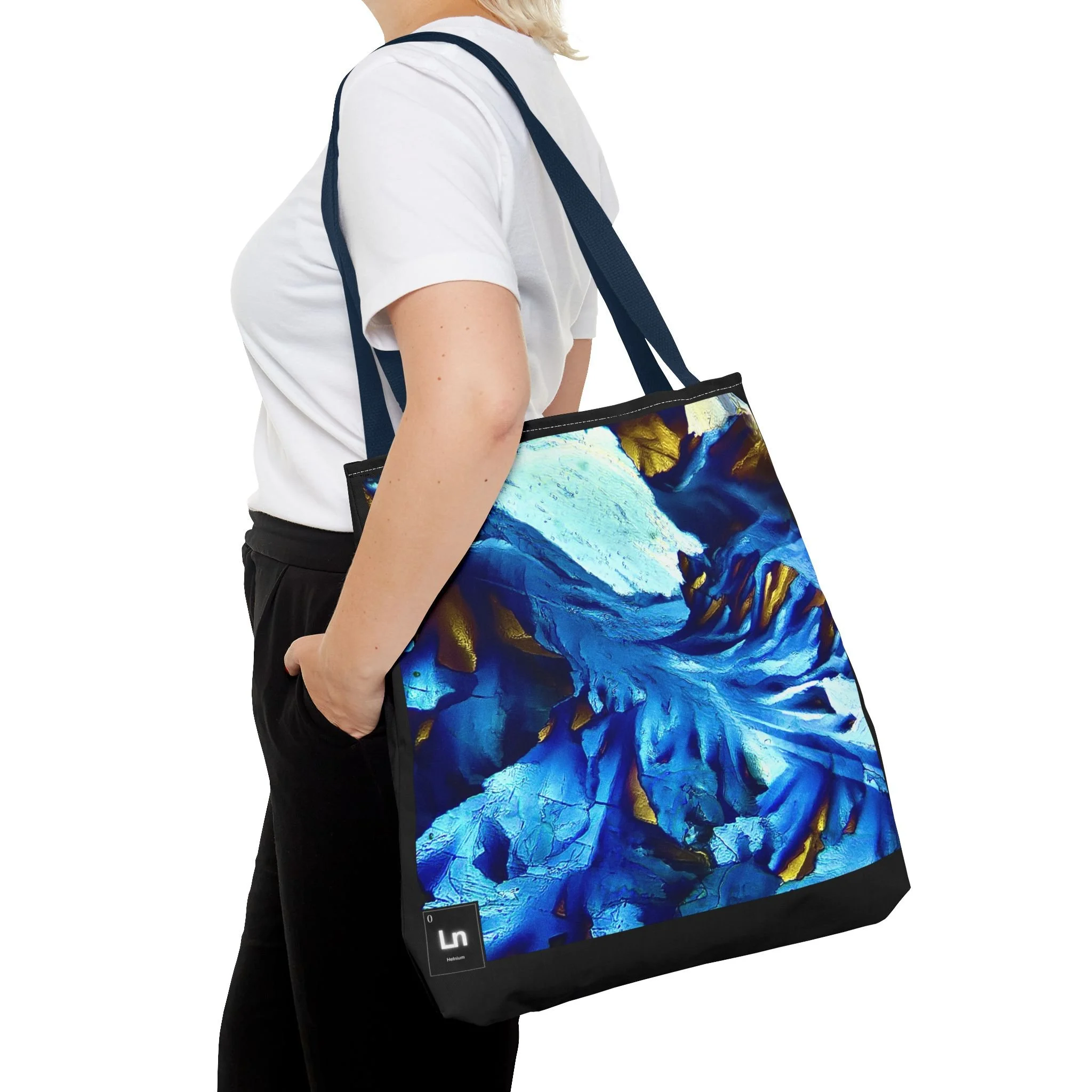 Image 24 of 24