Scientific Description
1. The Chemical Reaction: This artwork originates from the reaction between iron(III) nitrate (Fe(NO₃)₃) and sodium hydroxide (NaOH):
Fe(NO₃)₃ (aq) + 3 NaOH (aq) → Fe(OH)₃ (s) + 3 NaNO₃ (aq)
The primary product is iron(III) hydroxide, Fe(OH)₃, which precipitates as a solid. This compound is unstable and gradually transforms into iron oxides and oxyhydroxides—the materials commonly known as rust.
2. Iron and the Cycle of Rust: When exposed to air and moisture, metallic iron oxidizes, first forming hydroxides and later hydrated oxides (FeOOH, Fe₂O₃·nH₂O). This is a natural and cyclical process, illustrating the inevitable transformation of matter through interaction with its environment. Rust is therefore not an end state, but a transitional stage in the chemical life cycle of iron.
3. A Parallel with the Seasons: In autumn, leaves change colour as chlorophyll (the green pigment) degrades, revealing carotenoids (yellow and orange) and anthocyanins (red and purple). Like oxidizing iron, the leaf enters a cyclical transformation, releasing the energy accumulated during summer before winter dormancy. In spring, chlorophyll returns, covering the other pigments once again as life resumes its original colours.
Cultural and Artistic Perspective
Although inspired by autumn, many viewers perceive all four seasons within the composition. For this reason, the work resonates with artistic and musical traditions, echoing Vivaldi's The Four Seasons, where each movement expresses a stage of nature: abundance, decline, rest, and renewal. Here, it is no longer an orchestra that performs, but matter itself composing its own visual symphony. Iron in transformation becomes a metaphor for what art, music, and science have sought to express for centuries: the passage of time and the repetition of natural cycles. From a philosophical perspective, Autumn Rust explores the boundary between order and transformation. Just as leaves turn red and gold before falling, iron passes through rust before reorganizing into another form. In both cases, this is not an ending, but a continuous metamorphosis. The artwork reminds us that beauty is found not only in permanence, but also in the fragility of transition, those fleeting moments in which matter, like life itself, reveals its deepest dynamics.
Product Description
Artwork Title: Autumn Rust
Chemical Material: Fe(OH)₃ (s)
Medium: High-definition print on HD Aluminium Dibond, a premium material offering exceptional durability and a glossy surface that enhances every detail and contrast.
Finish: Produced by WhiteWall, ensuring outstanding colour accuracy, exceptional sharpness, and long-lasting durability.
Mounting: Integrated aluminum rail system for an elegant floating presentation on any wall.
Authenticity: Individually numbered and accompanied by a signed certificate of authenticity.
Scientific Description
1. The Chemical Reaction: This artwork originates from the reaction between iron(III) nitrate (Fe(NO₃)₃) and sodium hydroxide (NaOH):
Fe(NO₃)₃ (aq) + 3 NaOH (aq) → Fe(OH)₃ (s) + 3 NaNO₃ (aq)
The primary product is iron(III) hydroxide, Fe(OH)₃, which precipitates as a solid. This compound is unstable and gradually transforms into iron oxides and oxyhydroxides—the materials commonly known as rust.
2. Iron and the Cycle of Rust: When exposed to air and moisture, metallic iron oxidizes, first forming hydroxides and later hydrated oxides (FeOOH, Fe₂O₃·nH₂O). This is a natural and cyclical process, illustrating the inevitable transformation of matter through interaction with its environment. Rust is therefore not an end state, but a transitional stage in the chemical life cycle of iron.
3. A Parallel with the Seasons: In autumn, leaves change colour as chlorophyll (the green pigment) degrades, revealing carotenoids (yellow and orange) and anthocyanins (red and purple). Like oxidizing iron, the leaf enters a cyclical transformation, releasing the energy accumulated during summer before winter dormancy. In spring, chlorophyll returns, covering the other pigments once again as life resumes its original colours.
Cultural and Artistic Perspective
Although inspired by autumn, many viewers perceive all four seasons within the composition. For this reason, the work resonates with artistic and musical traditions, echoing Vivaldi's The Four Seasons, where each movement expresses a stage of nature: abundance, decline, rest, and renewal. Here, it is no longer an orchestra that performs, but matter itself composing its own visual symphony. Iron in transformation becomes a metaphor for what art, music, and science have sought to express for centuries: the passage of time and the repetition of natural cycles. From a philosophical perspective, Autumn Rust explores the boundary between order and transformation. Just as leaves turn red and gold before falling, iron passes through rust before reorganizing into another form. In both cases, this is not an ending, but a continuous metamorphosis. The artwork reminds us that beauty is found not only in permanence, but also in the fragility of transition, those fleeting moments in which matter, like life itself, reveals its deepest dynamics.
Product Description
Artwork Title: Autumn Rust
Chemical Material: Fe(OH)₃ (s)
Medium: High-definition print on HD Aluminium Dibond, a premium material offering exceptional durability and a glossy surface that enhances every detail and contrast.
Finish: Produced by WhiteWall, ensuring outstanding colour accuracy, exceptional sharpness, and long-lasting durability.
Mounting: Integrated aluminum rail system for an elegant floating presentation on any wall.
Authenticity: Individually numbered and accompanied by a signed certificate of authenticity.

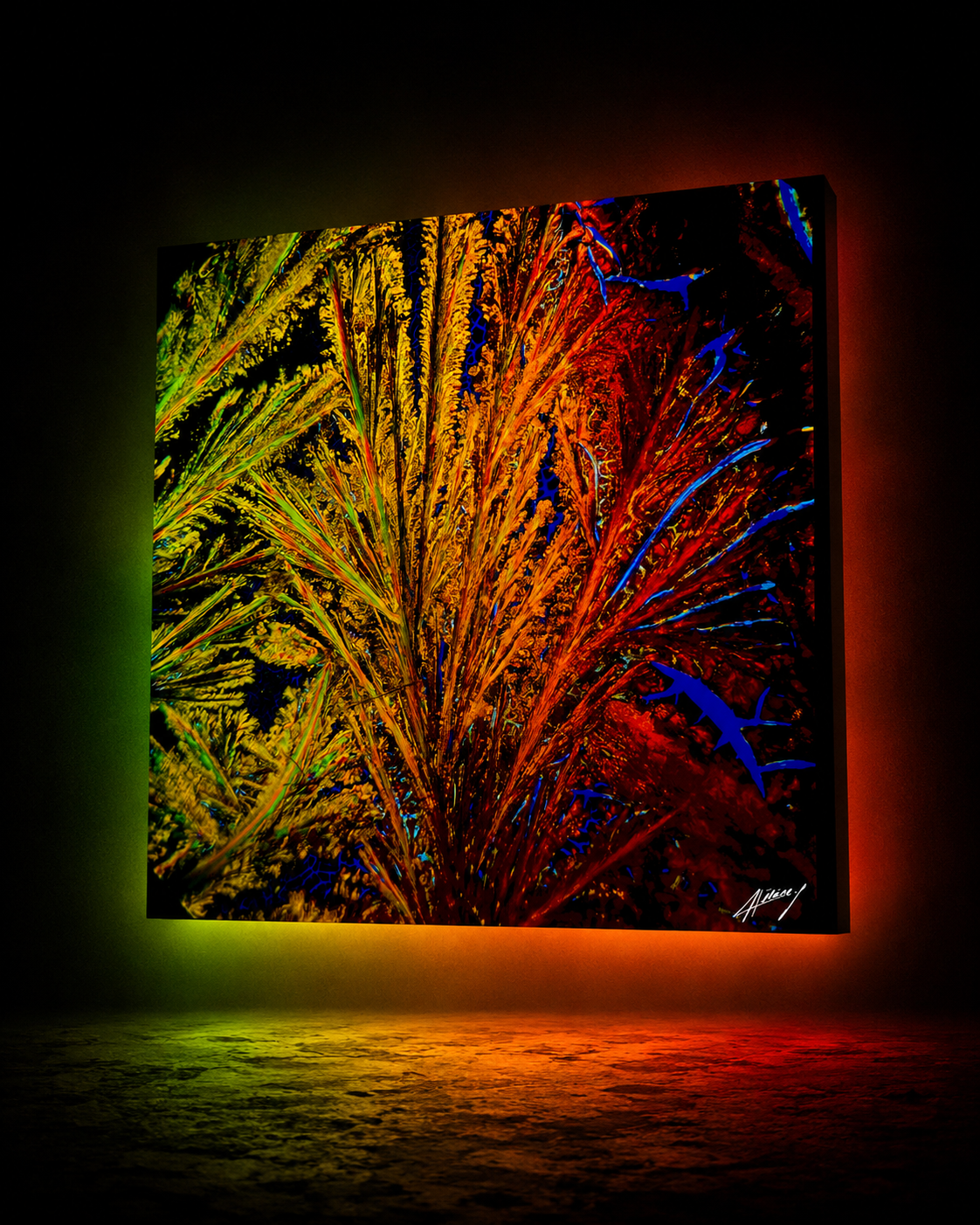 Image 1 of 7
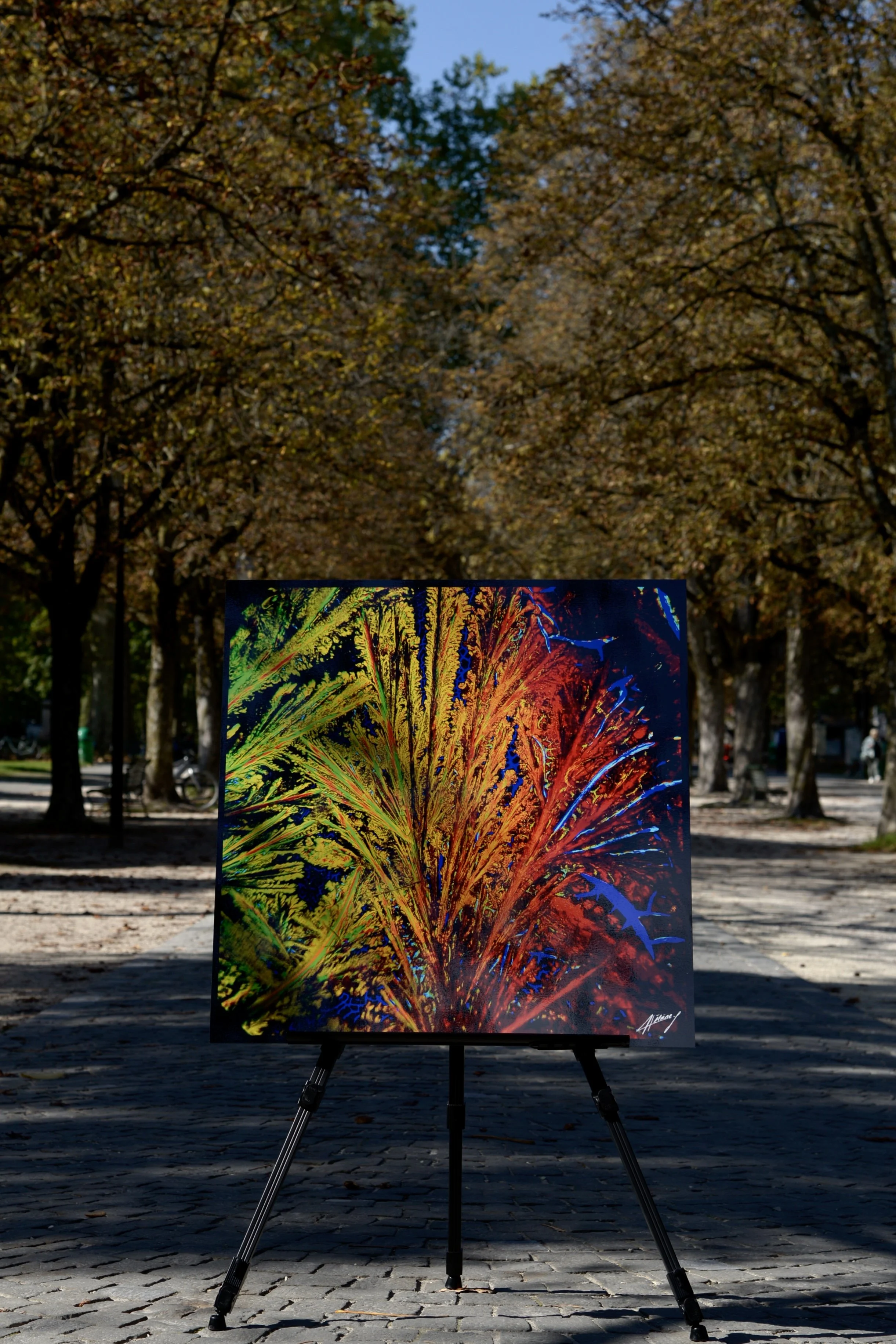 Image 2 of 7
 Image 3 of 7
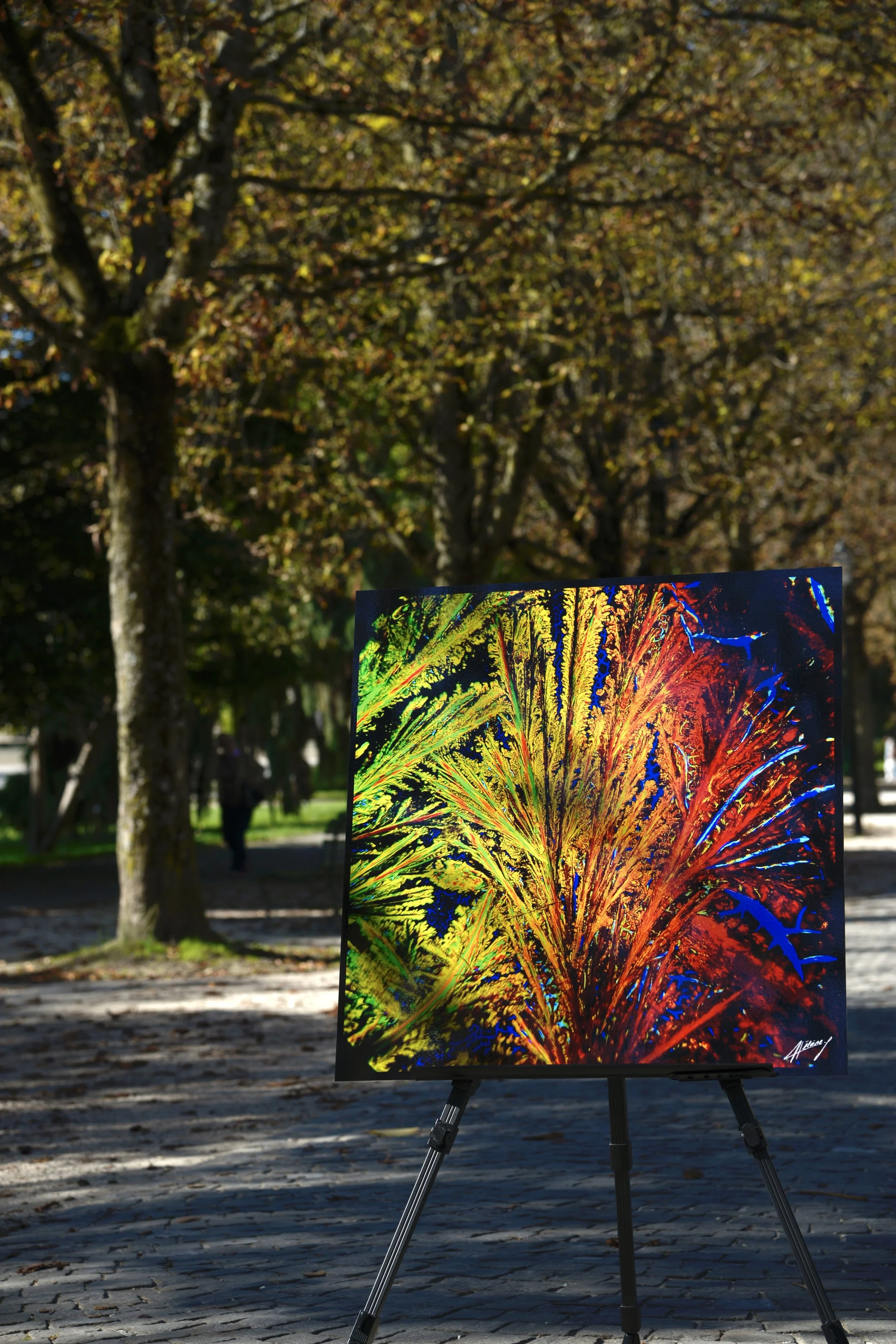 Image 4 of 7
 Image 5 of 7
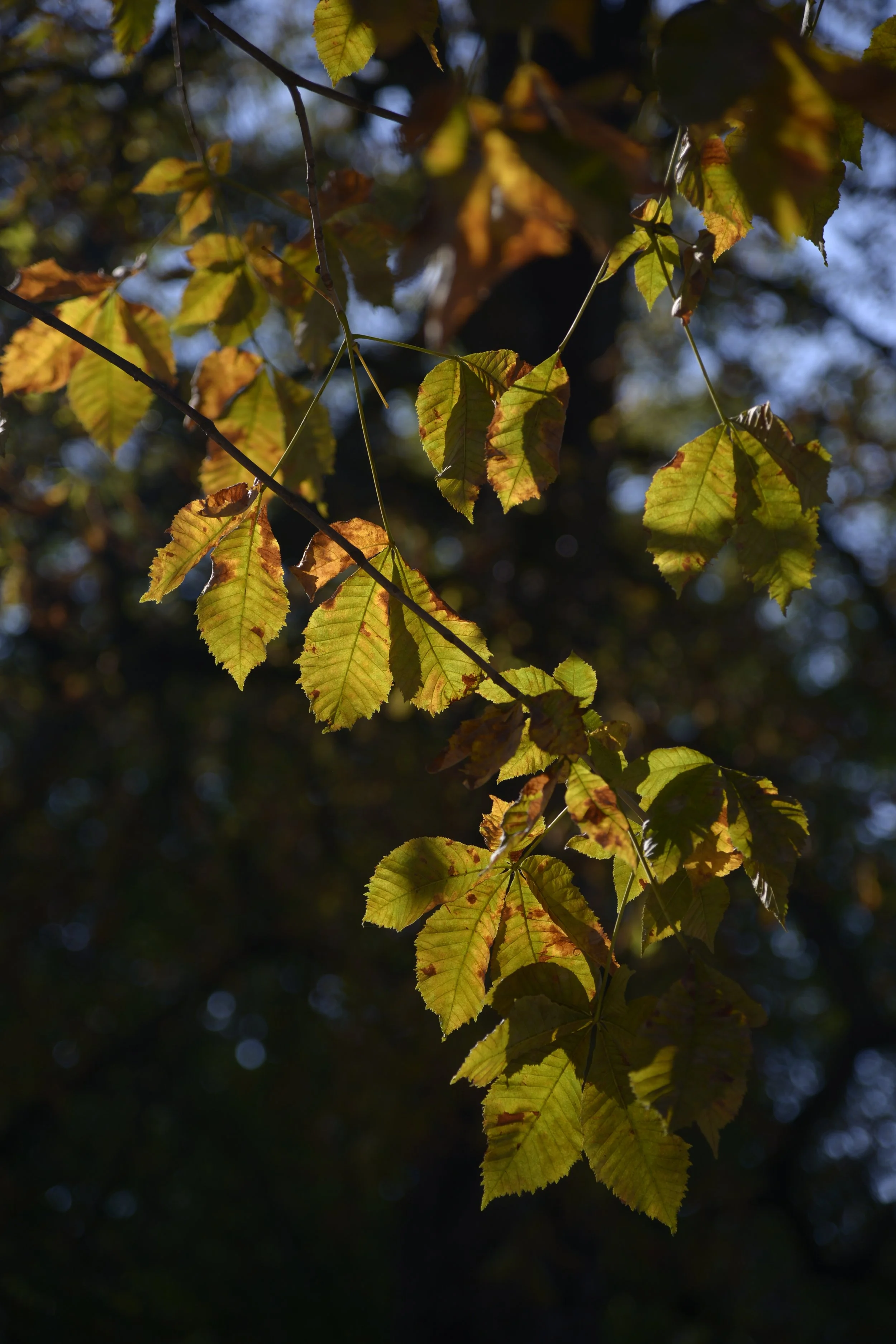 Image 6 of 7
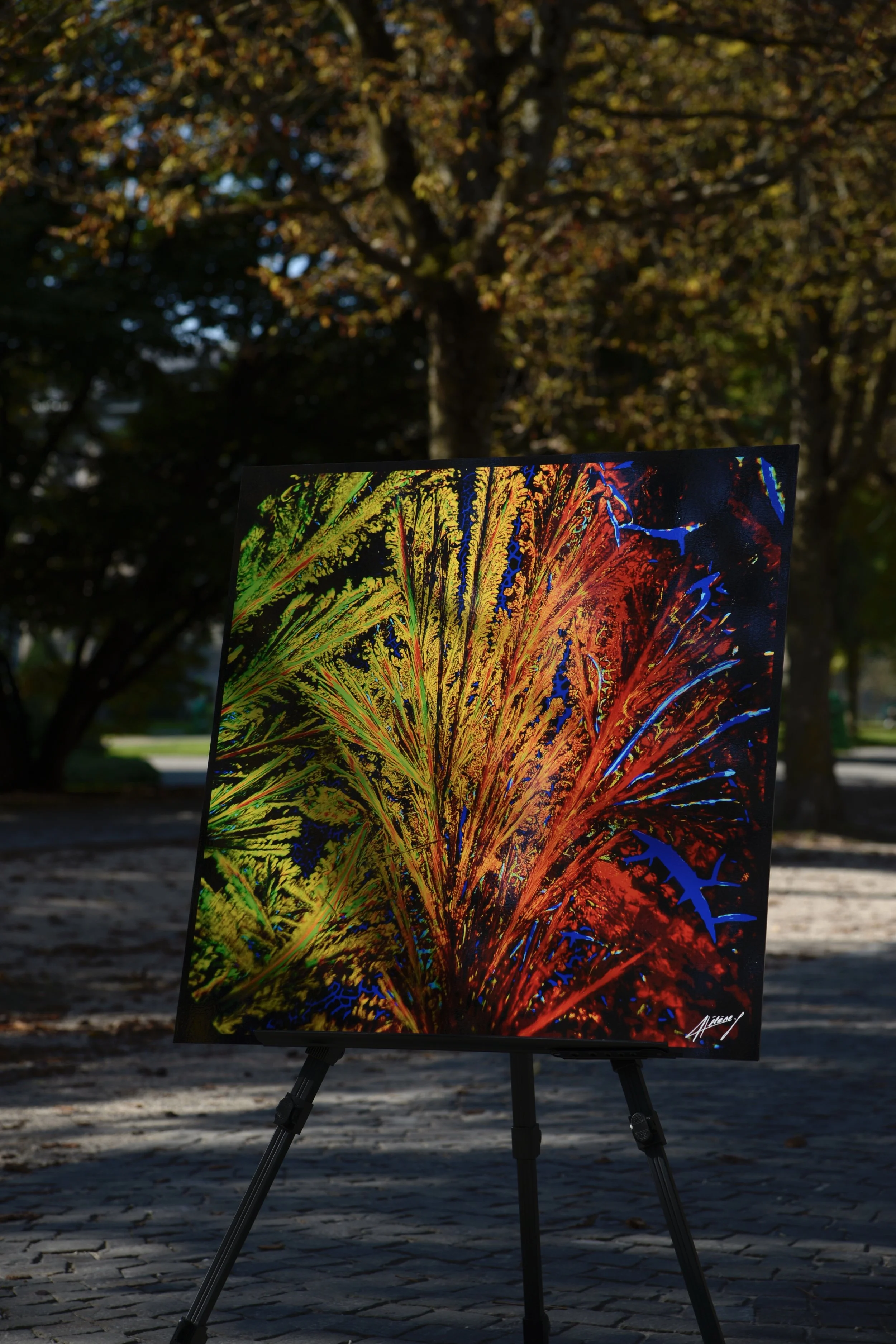 Image 7 of 7